
|
|
GHOSTS IN MACHINES SPECIAL PROJECT SERENDIPITY ARTS FESTIVAL, GOA 2024 CURATED BY DAMIAN CHRISTINGER VENUE: EXCISE BUILDING, PANJIM, GOA Collaborators: Chronos Foundation | |
 The exhibition will expand from Ravi Agarwal’s work “The Power Plant” to offer different readings of the coalescence of past, present, and future, the dyschromia. Is this the end of our worlds as we know it, our artistic, illusionistic pictorial space? Is it the end of the city- and landscape? Art’s post-colonial, post-revolution has perfected itself, boundaries have dissolved completely. Knowledge, data, and culture can now be processed, disseminated and copied as many times and as quickly as is wanted via the code of pictures, places and the cannibalistic nature of its inhabitants. Artists: Ravi Agarwal, Sonia Mehra Chawla. Marianne Halter & Mario Marchisella, Yves Netzhammer, Anuja Dasgupta, Herbert Weber, Radhika Agarwala. 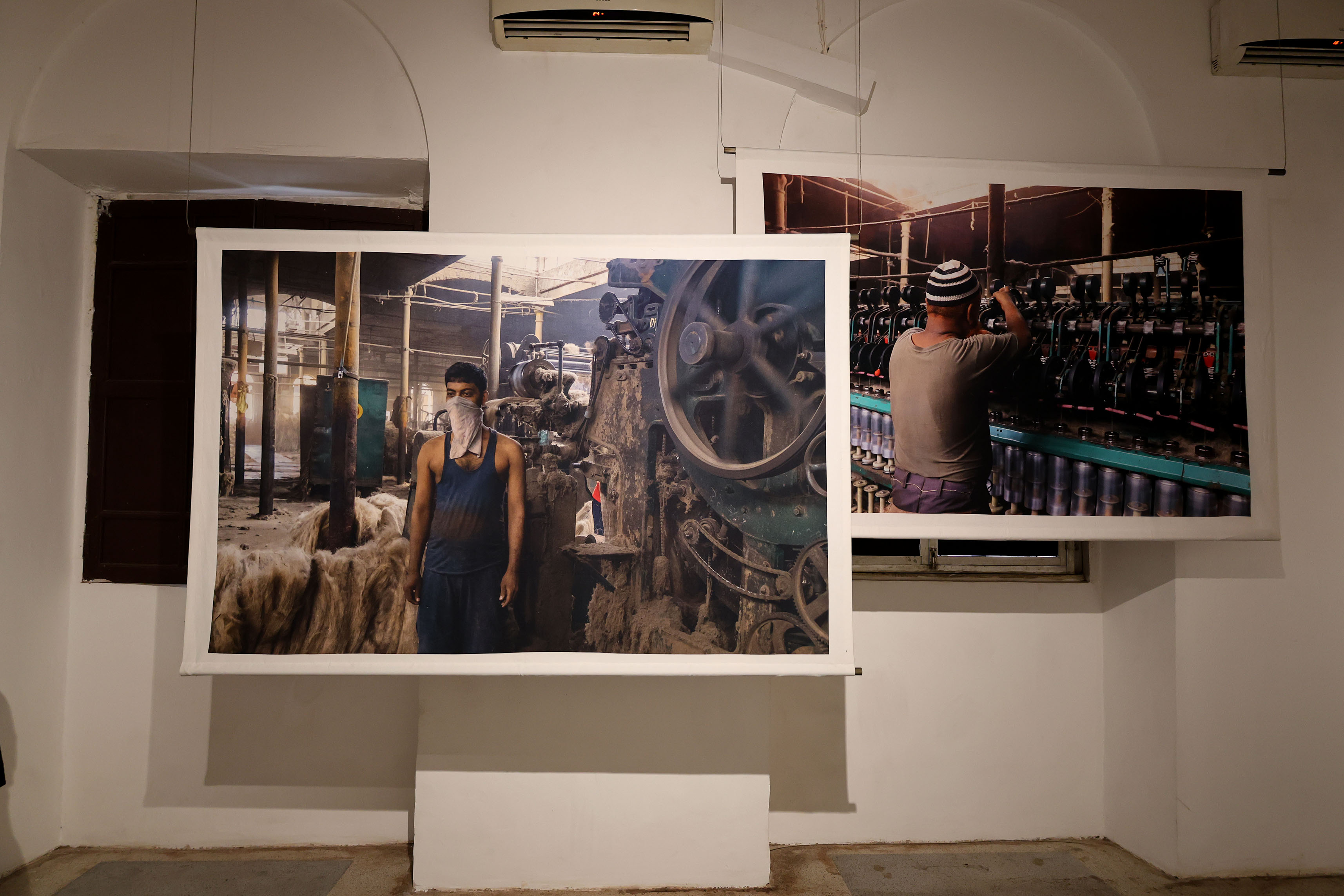 GHOSTS IN MACHINES An exhibition on traces of past dreams and uncertain futures Curatorial Note The ghosts in the machines haunt our futures, and the exhibition aims to expand different readings of the coalescence of temporalities, the dyschromia, created by contemporaneity and its machines. Have we reached the ends of our modernist worlds as we know them? Boundaries seem to have dissolved completely. Knowledge, data, and culture can now be processed, disseminated and copied as many times and as quickly as is wanted via the code of pictures, places and information. This new age of total enlightenment enables the creation of new worlds, and the dematerialization of the existing one, as well as the suppression of reality from sensory perception. The simulation blurs the difference between the imaginary and the real. In this new world after the broken promises of modernity, not only have both the physical and the metaphysical systems of reference disappeared, but images have long ceased to be images, all seems illusion, reality devours itself. How can we still identify the poetical and the political space in which commodification and the Anthropocene as core concepts of the 21st century can be made visible and useful for art and life, past and future? Is there a space that asserts itself against the politics and historiographies of the 19th and 20th century? Could it be in between the machines and art? | |
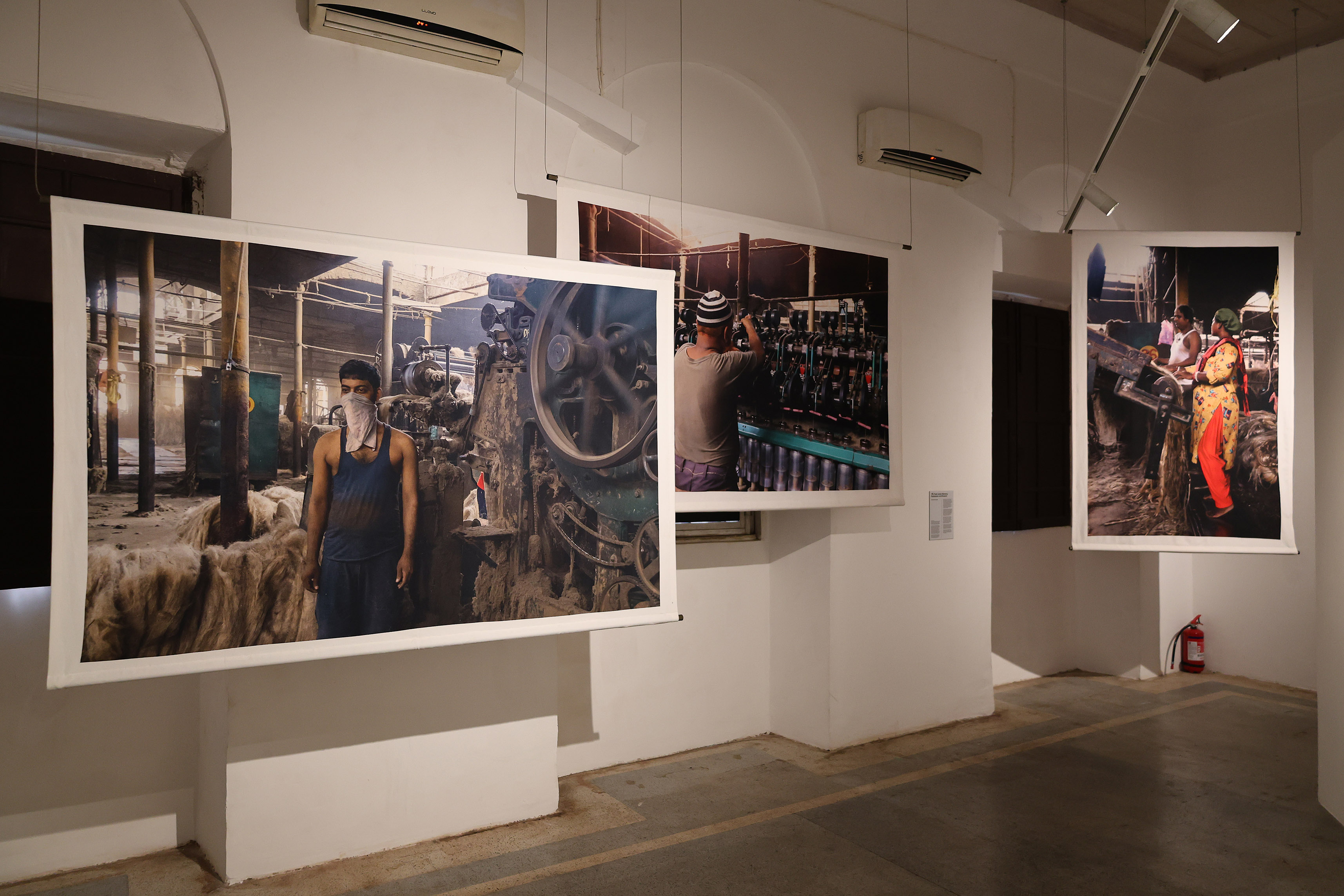
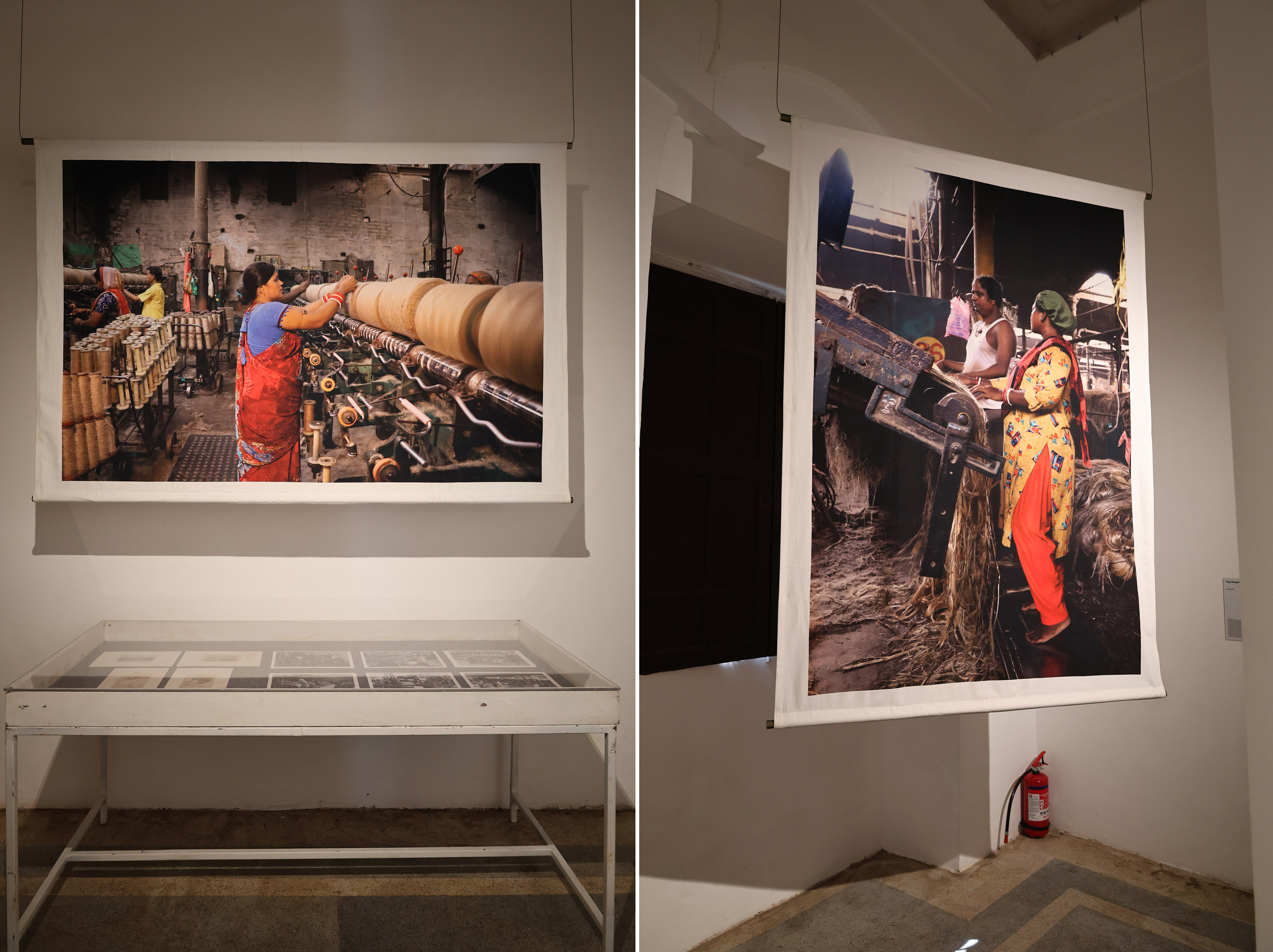 পাট, Paat (Jute): Memory, Resistance and Erasure By Sonia Mehra Chawla The works are a part of Sonia Mehra Chawla’s expansive new project with a focus on the history, contemporary condition and future of the Jute Industry in Bengal. At the centre of the narrative are Kolkata (Calcutta) in West Bengal, India, where the artist was born and raised, and Dundee in Scotland, often called ‘Juteopolis, (accurately reflecting the extraordinary dominance of one industry and economic activity in the city). Both cities, and their environs and hinterlands prospered and thrived by the extraordinary dominance of the jute industry; both were devastated by jute; both were landscapes of the Empire. From the 1840s onwards, as the commercial success of jute as a packing medium grew, the fortunes of the city of Dundee, the British centre of jute manufacturing, became intertwined with that of one of Britain’s central Indian possessions, Bengal. By the 19th century, the jute industry in Bengal saw unprecedented and unparalleled growth due to the global demand for durable and cost-effective packaging materials. During the British colonial period, jute mills began springing up along the banks of the Hooghly River, making Bengal a major exporter of jute to Europe and other parts of the world. By the 1890s Calcutta had become the prime centre of jute manufacture, consigning Dundee to a secondary position. Sonia’s research objective is two-fold. She uses the globally marketed and consumed fiber, jute (belonging to the genus Corchorus) as a trope to examine botanical histories and politics, and the complex socio-economic history of the working class and labouring population in colonial, post-colonial and contemporary Bengal. Secondly, she activates the notion of the material as a tool of resistance. By combining economic, political, and social history, and employing an intersectional and multidisciplinary approach, this body of work examines the multifaceted relationship between colonial power and scientific knowledge, providing insights into botanical politics and conflicts, the often-overlooked histories of colonial capitalism, and the challenges of our possible future(s). Through her work, Sonia questions and destabilizes colonial legacies, constructs and entanglements, exploring new ways of seeing through embodied memories and labouring bodies. 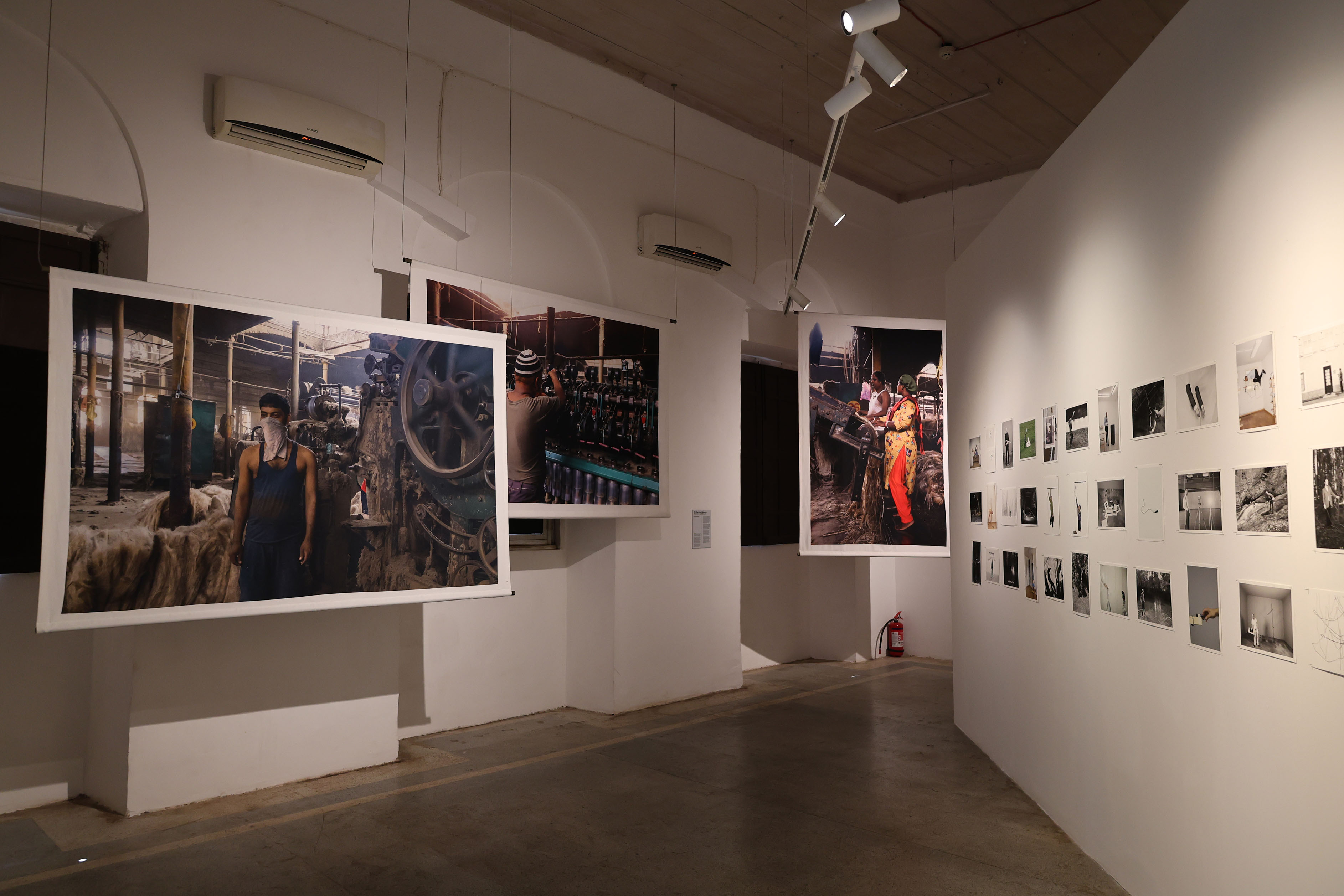 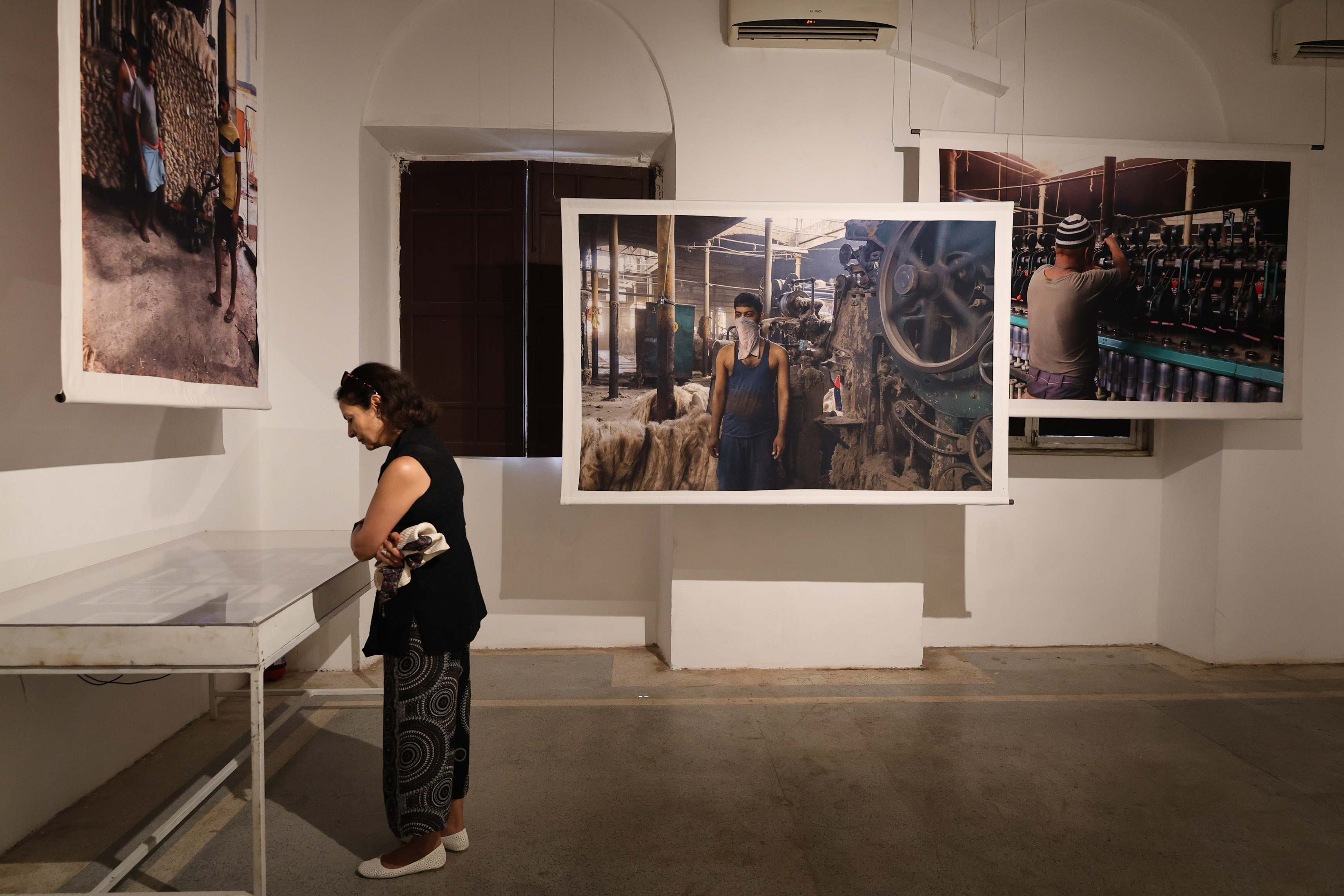 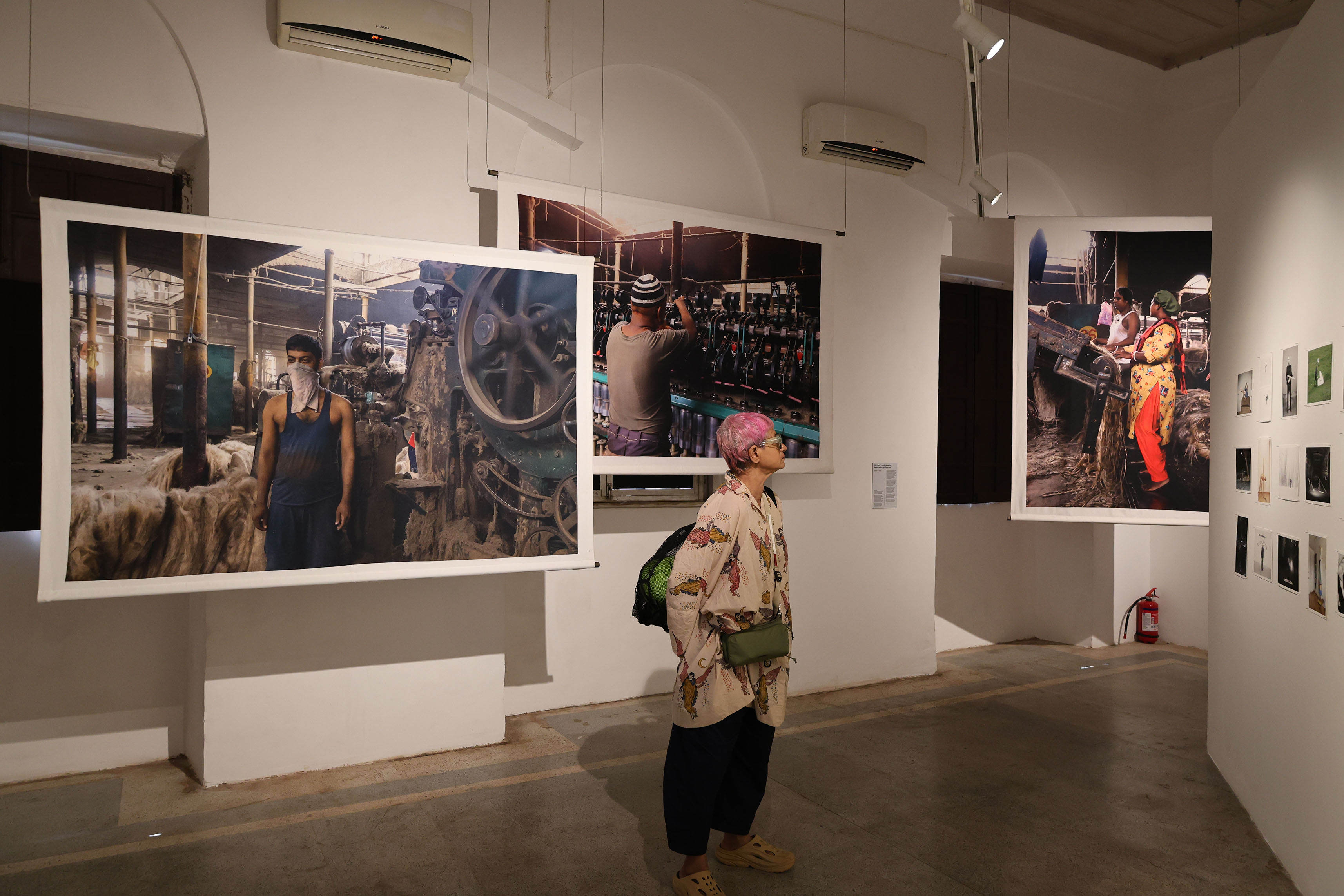 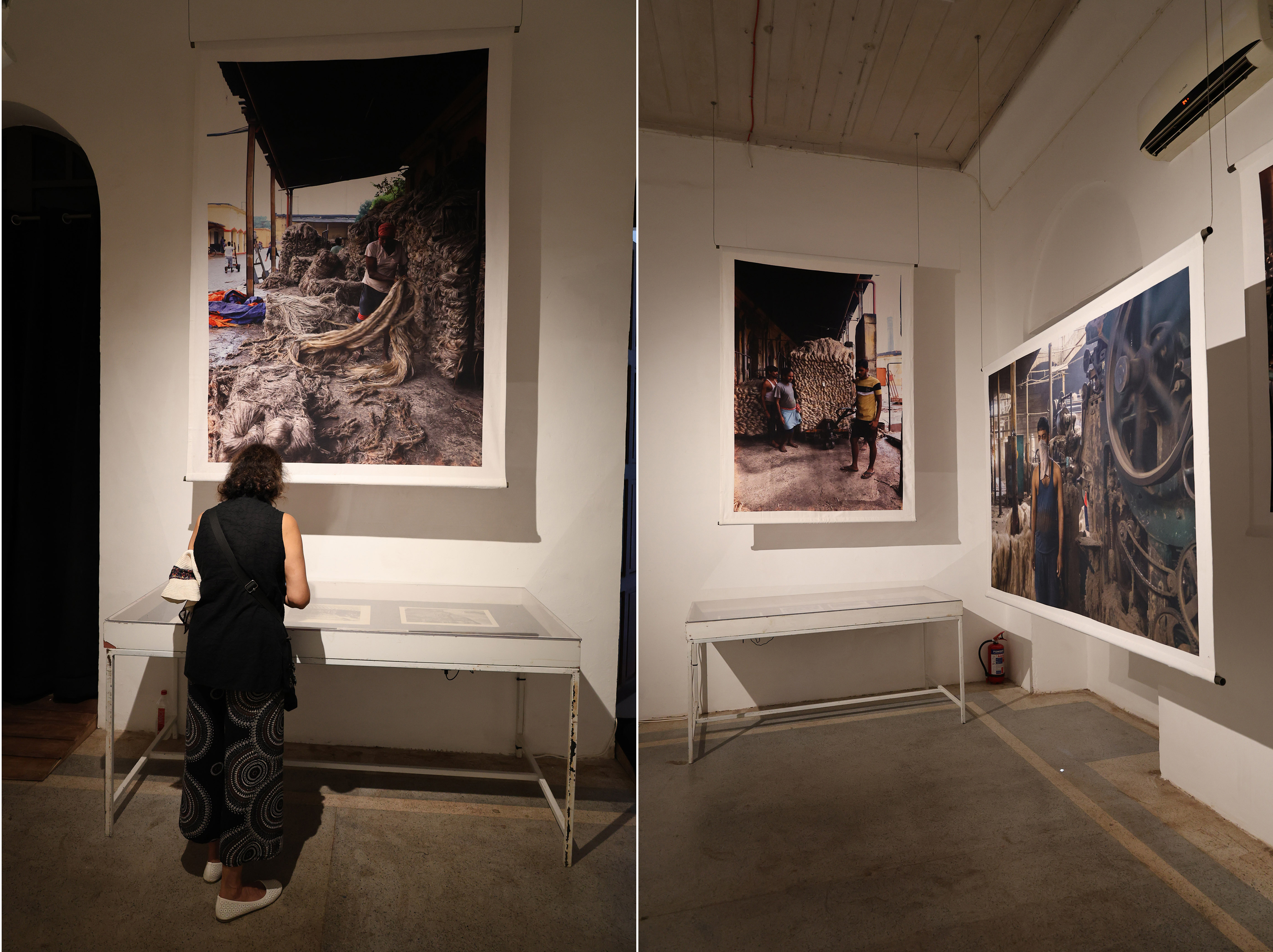 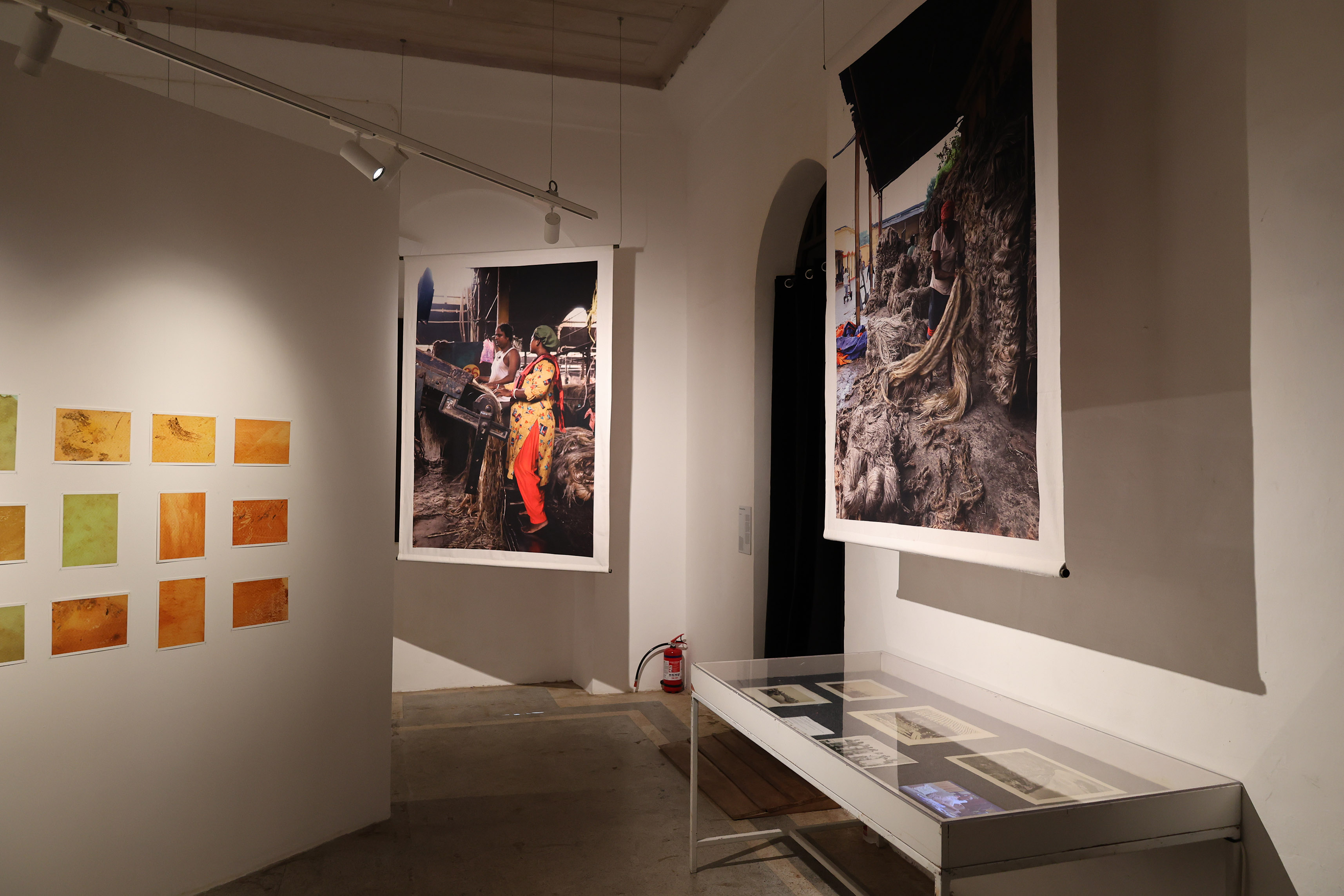 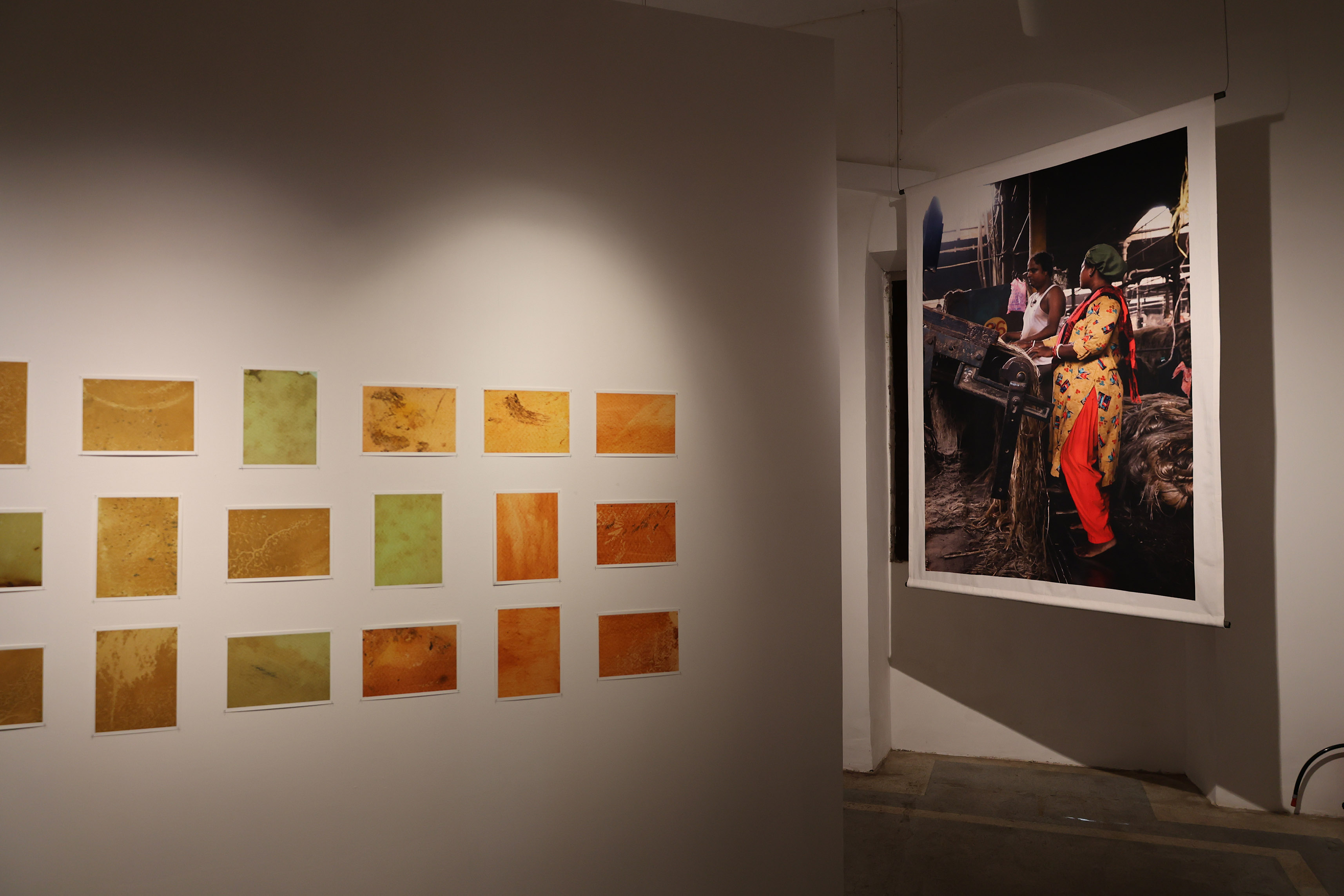 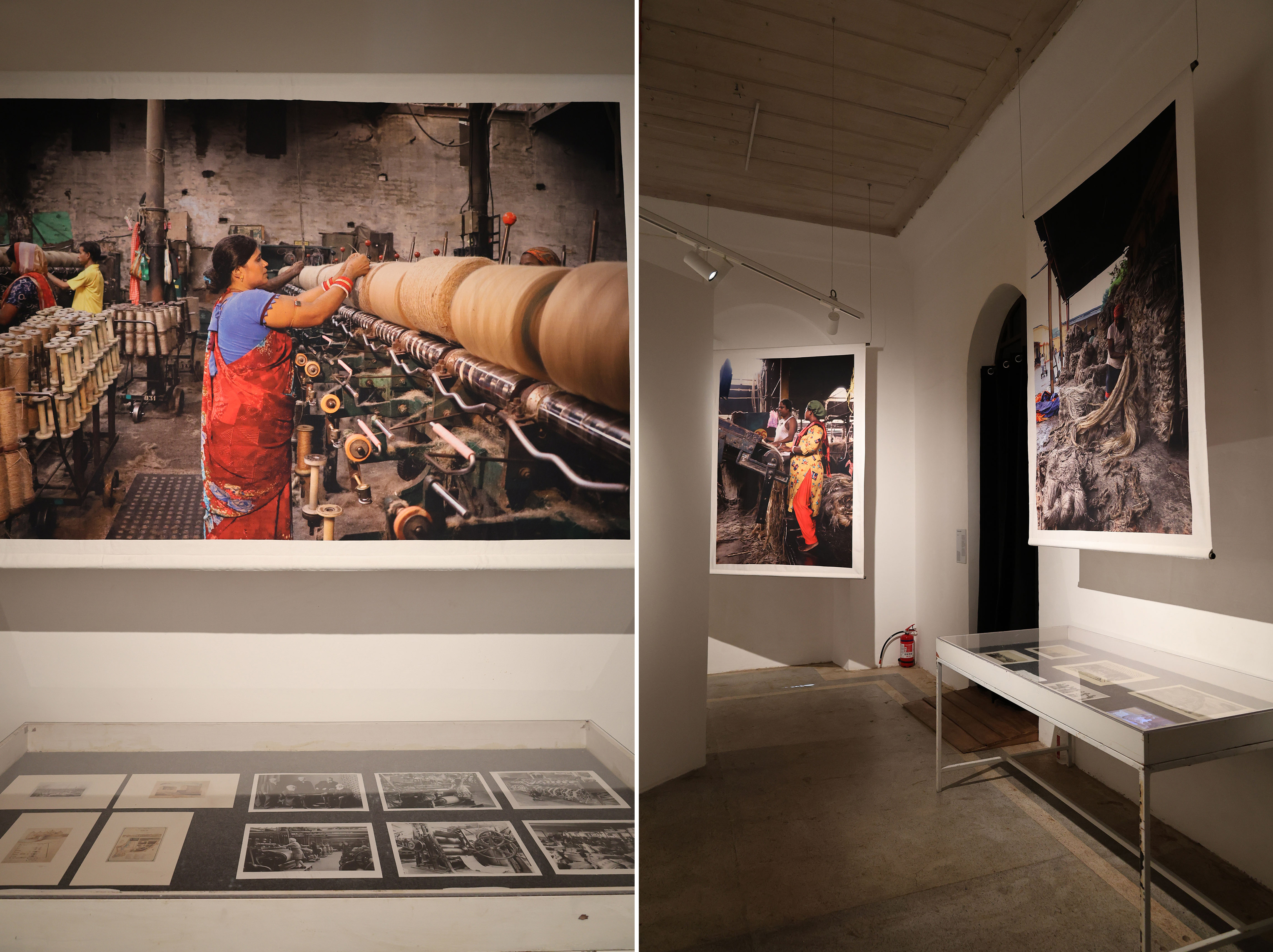 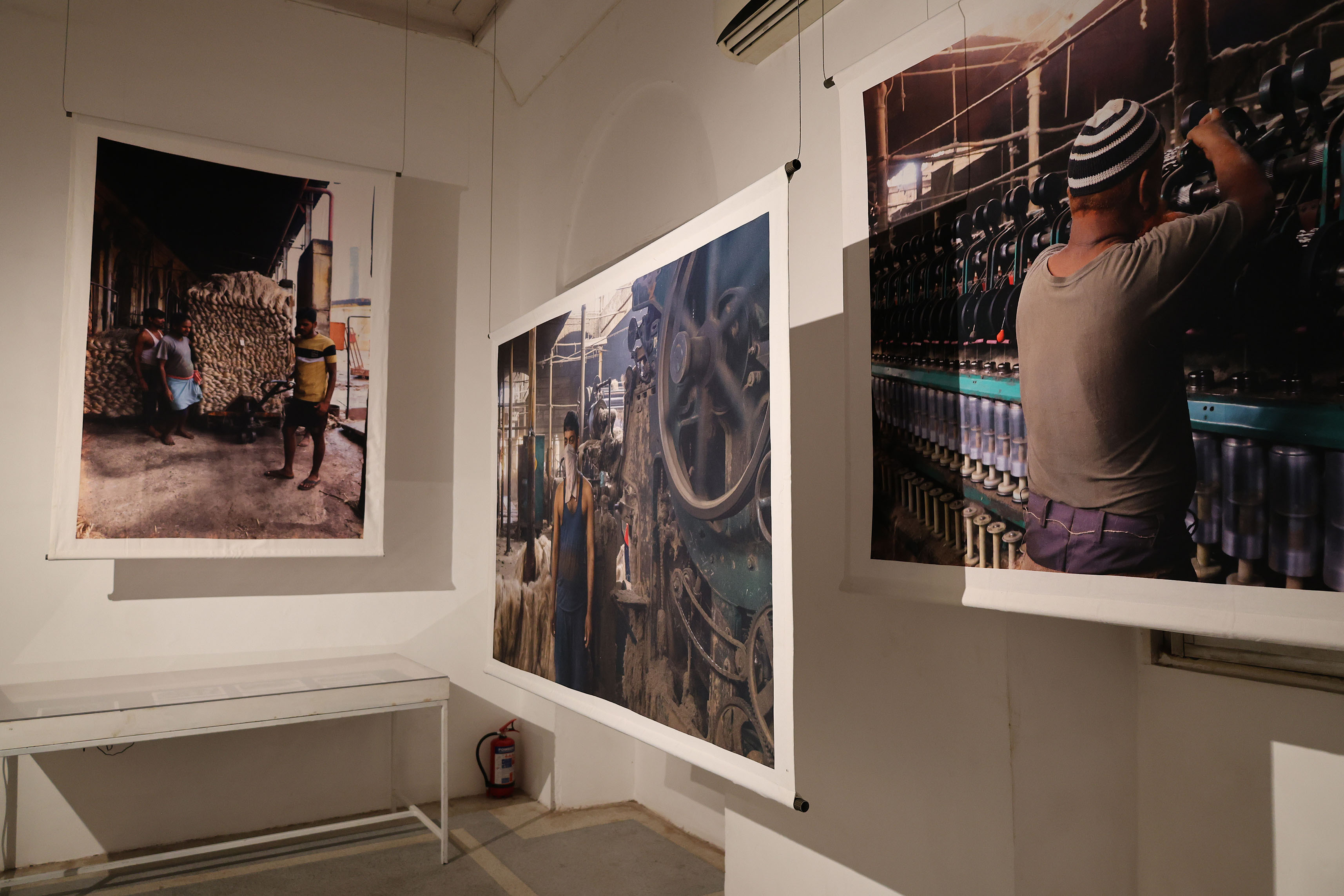 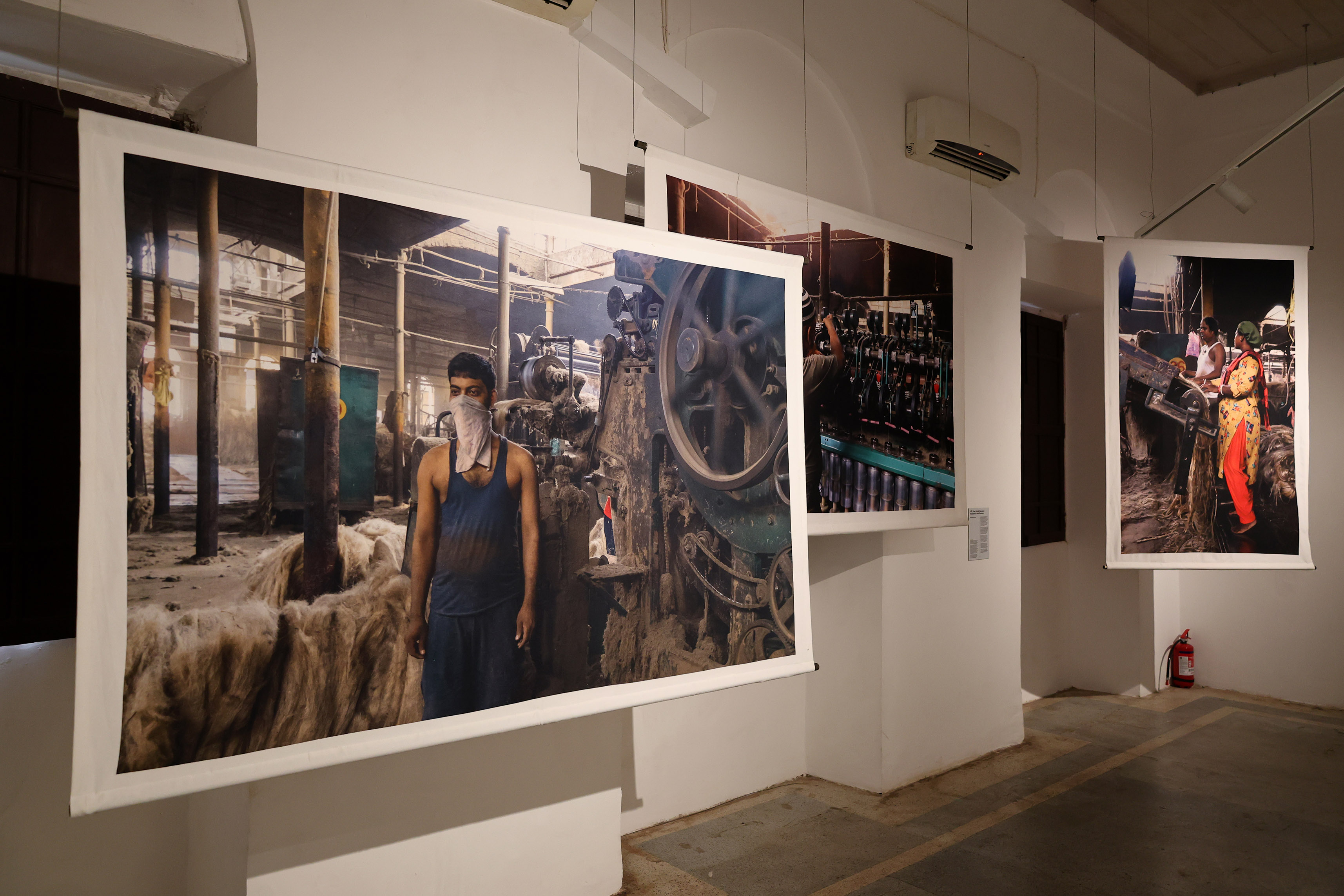 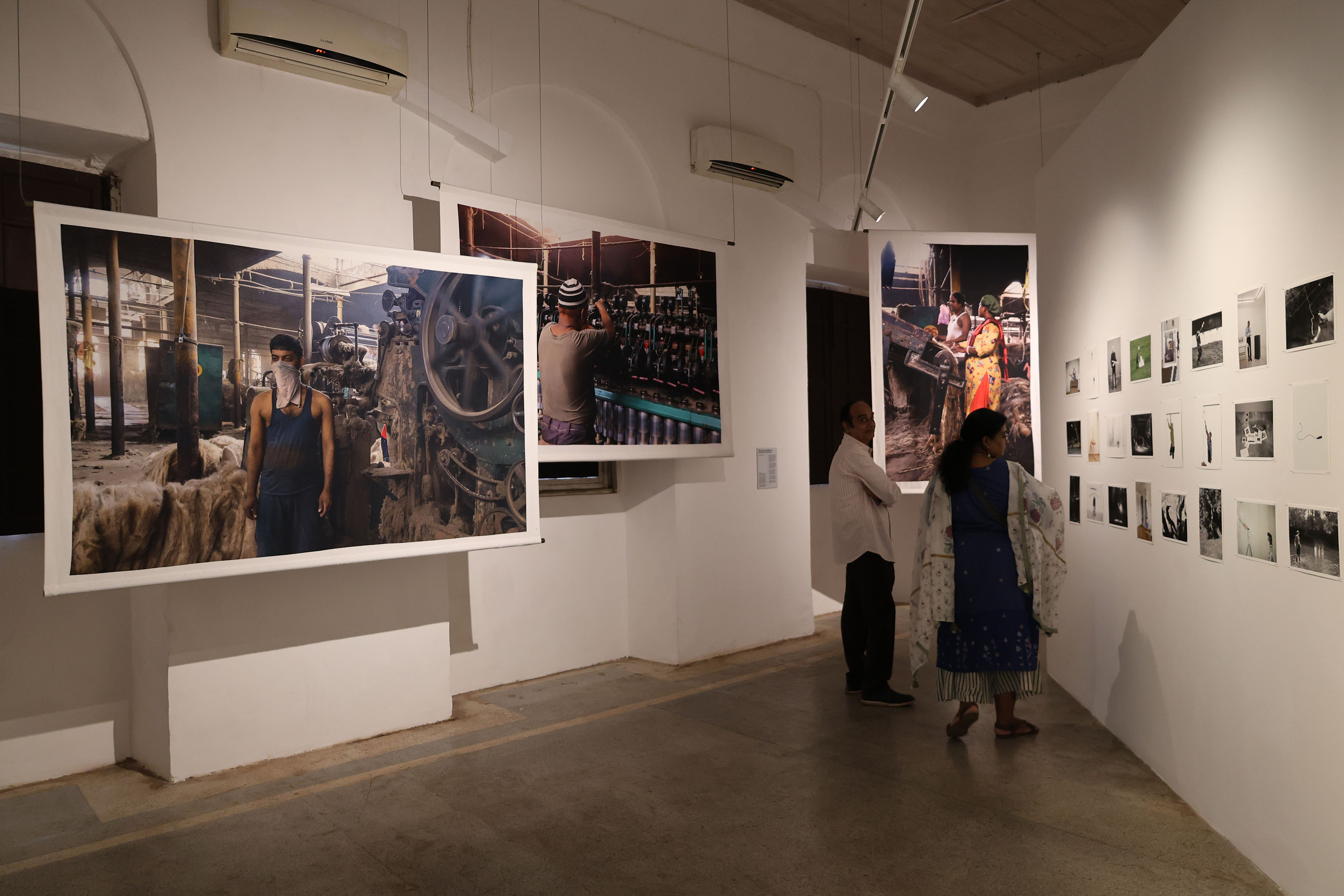 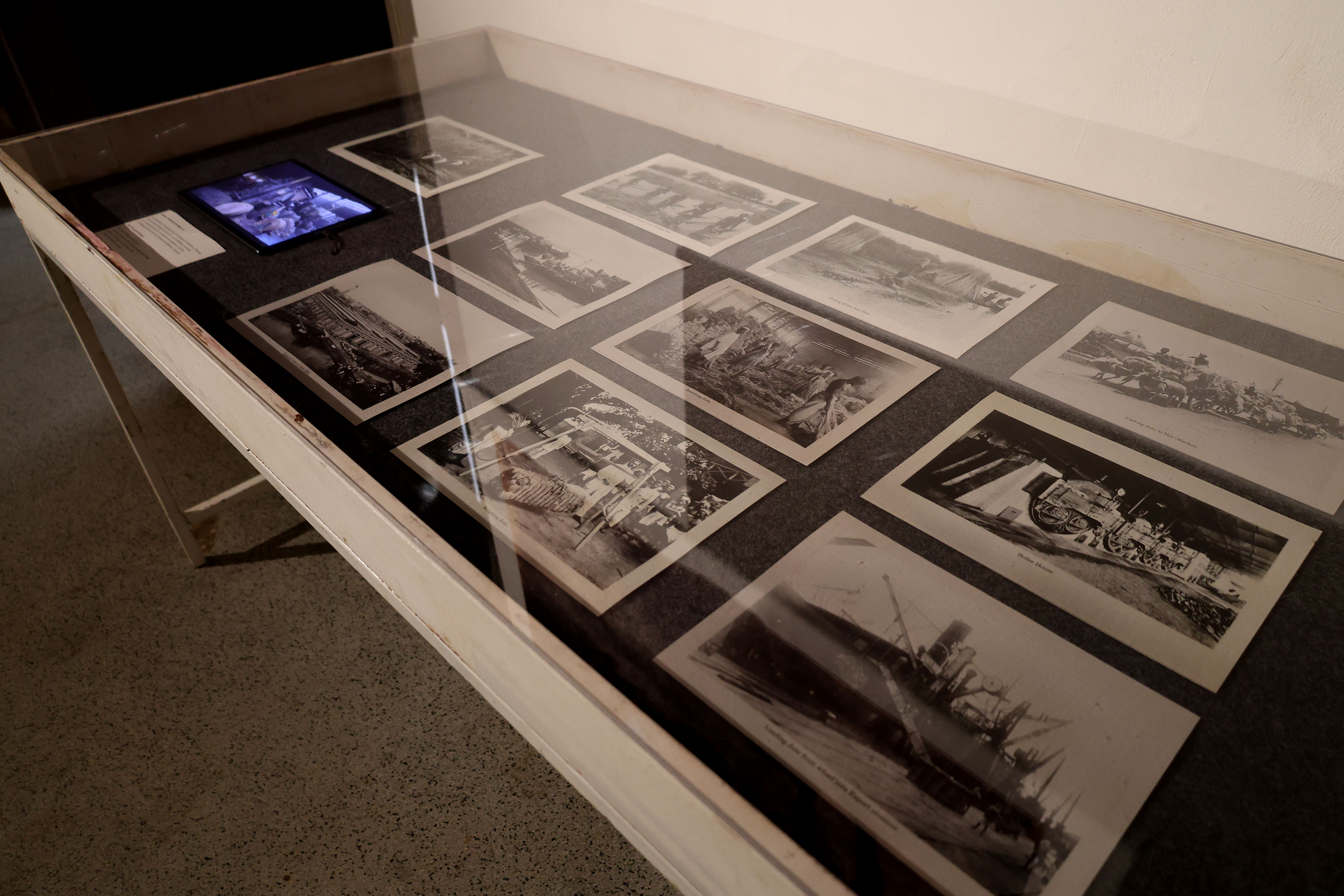 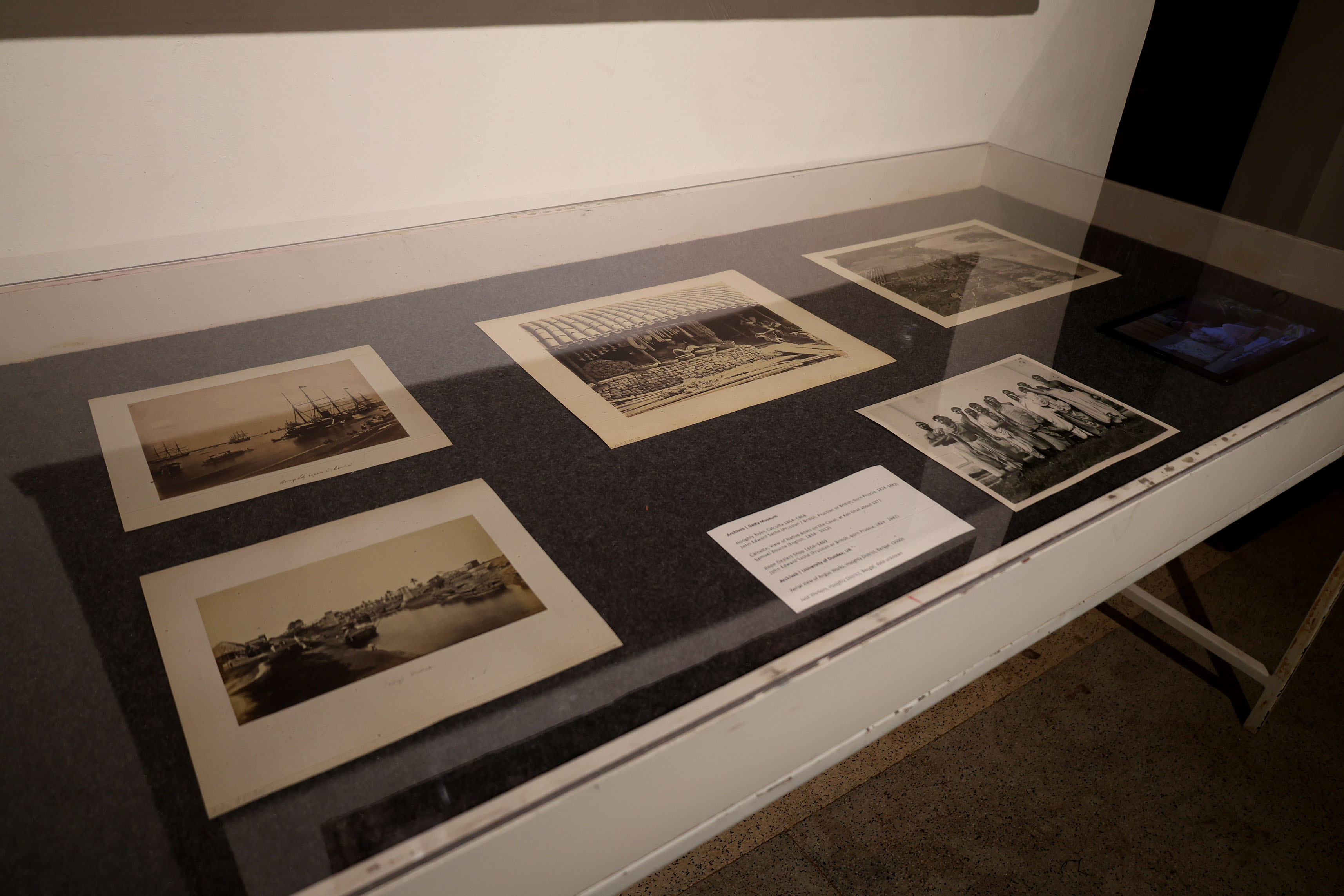 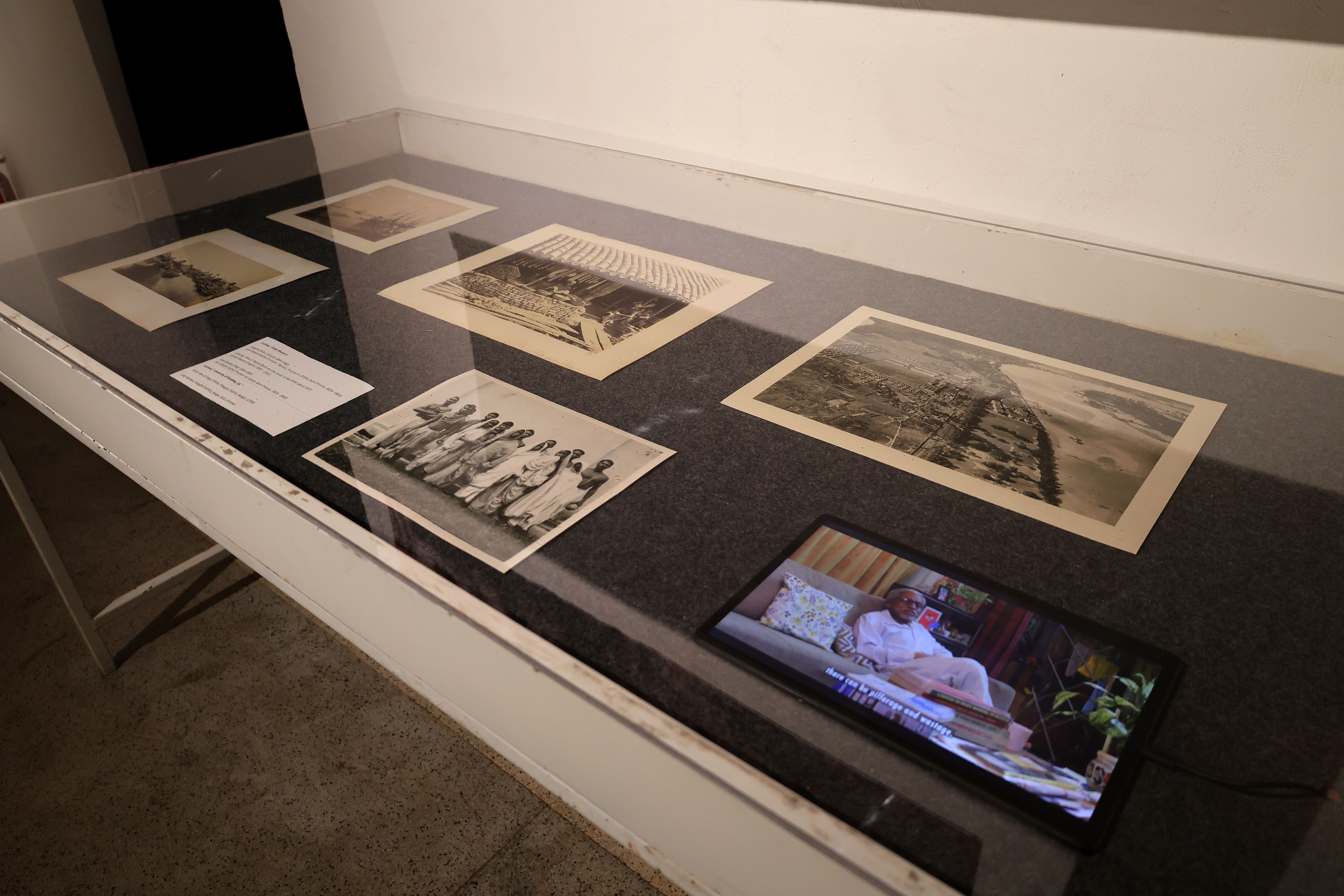 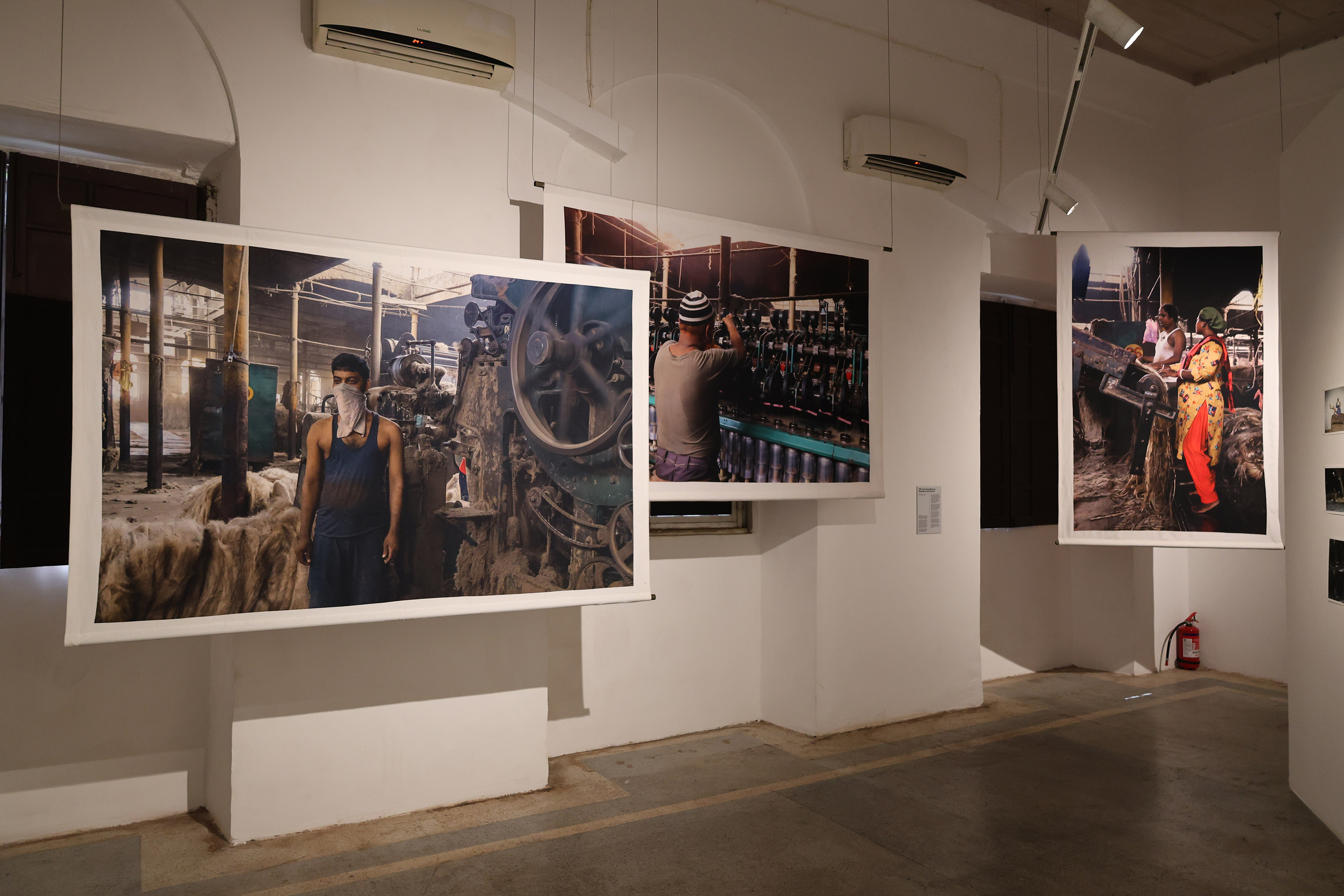 http://www.aestheticamagazine.com/yinchuan-biennale-2016/ | |