
|
|
ANCESTRAL FUTURES CURATED BY DAMIAN CHRISTINGER GALLERY ESPACE, NEW DELHI | |
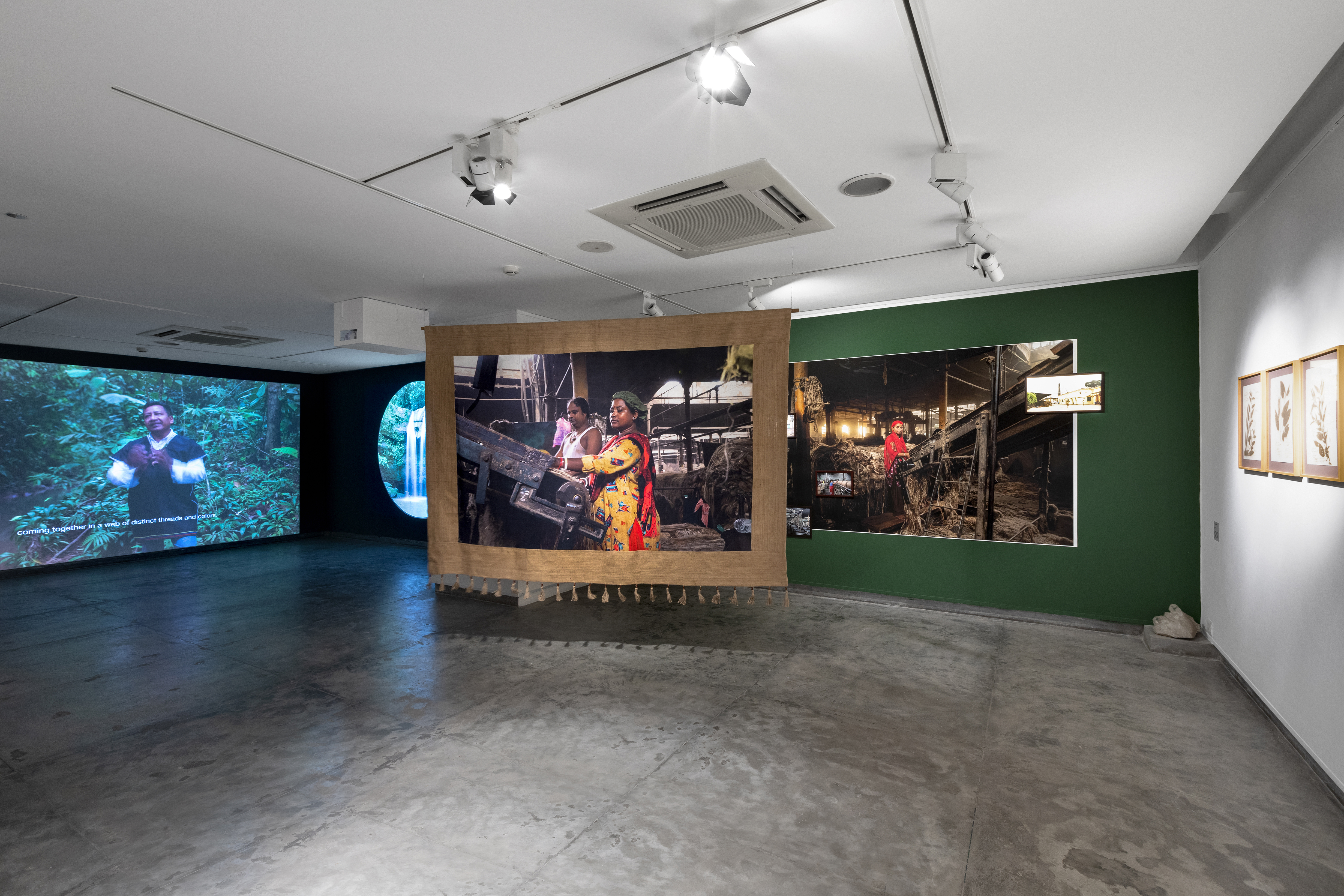 How do we celebrate the history of an art gallery that helped to shape the Indian art scene from 35 years ago until today? Or to ask this more generally: How do we bring our pasts into futures? Shared stories, individual experiences, cultural expressions, ideas of progress promised, fulfilled, or broken, dreams of achievements and growth. We can’t just dwell on the past, but the sole orientation towards the future might also blind us to what exists around us in the present. Ancestral Futures envisions possibilities of bringing these contradictions together. To accept metamorphosis as intrinsic to human life, to art and its environment. The concept of “ancestral futures” intertwines the past, present, and future, positing that ancestral histories profoundly influence our understanding of time and identity. In the realm of art, this idea provides a rich tapestry for creative expression, prompting artists to engage with their heritage while imagining the possibilities that lie ahead. Ancestral futures encapsulate not only the legacies we inherit but also the visions we can forge for ourselves and future generations. This exhibition explores the significance of ancestral futures in art, reflecting on how artists utilize their cultural narratives to challenge contemporary issues and envision hopeful trajectories. Ancestral futures also provide a framework for envisioning alternatives. In a world grappling with rapid change, environmental crises, and social inequalities, art can serve as a medium for reimagining possibilities. Artists often communicate visions of resilience and regeneration, addressing past traumas while inspiring hope. Moreover, ancestral futures challenge linear notions of time. Traditional Western narratives often construct time as a straight line, moving definitively from past to present to future. Artists might utilize non-linear storytelling techniques, mixed media, and innovative forms to engage viewers in a multi-faceted experience. This approach invites audiences not only to reflect on history but also to consider how the past influences their present realities and future aspirations. The idea of ancestral futures serves as a profound lens through which artists can explore identity, heritage, and the complexities of contemporary life. As audiences engage with works rooted in ancestral futures, they are invited to reflect on their own histories and their roles in shaping a collective future. 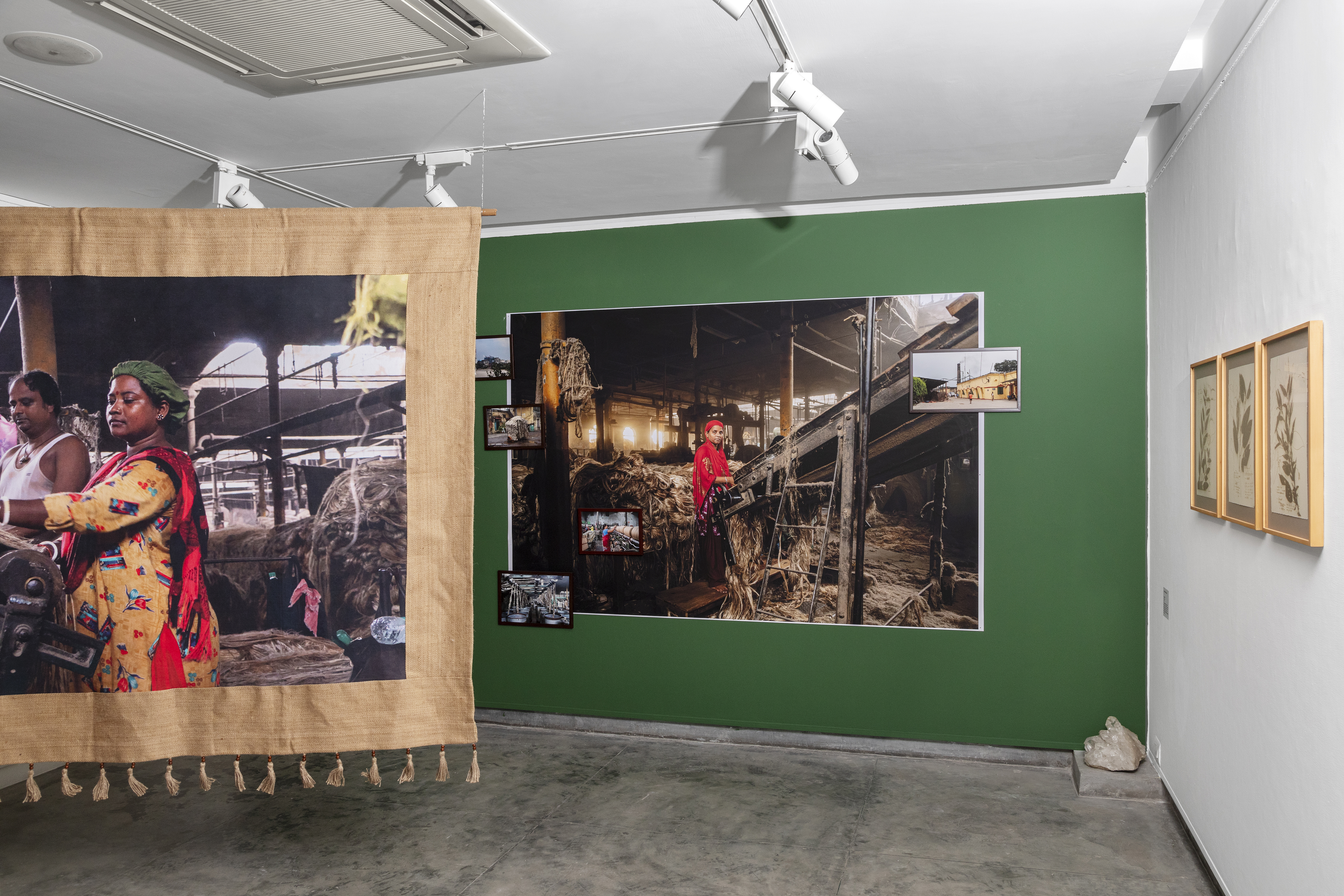 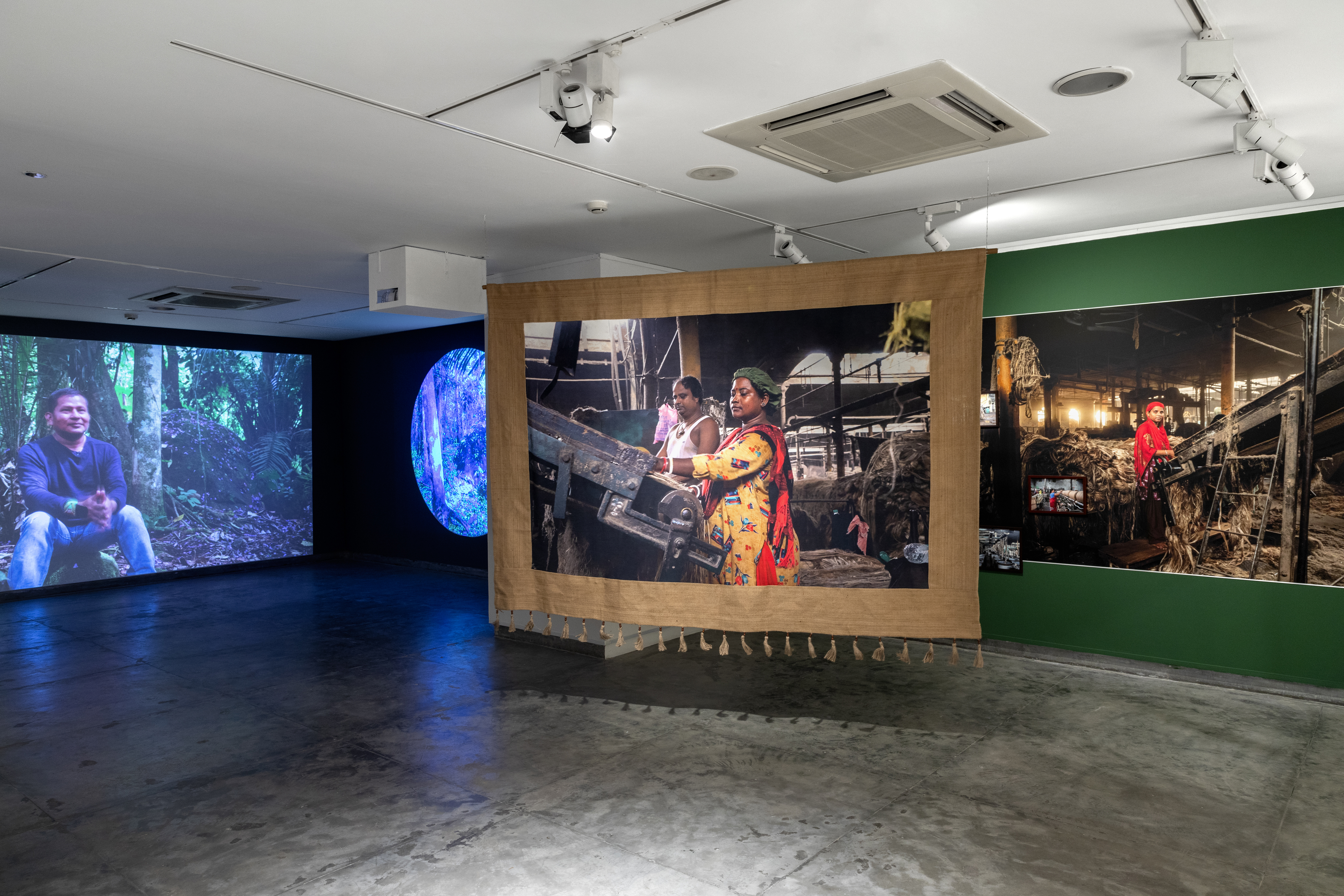 পাট, Paat (Jute): Memory, Resistance and Erasure The works are a part of Sonia Mehra Chawla’s expansive new project with a focus on the history, contemporary condition and future of the Jute Industry in Bengal. At the centre of the narrative are Kolkata (Calcutta) in West Bengal, India, where the artist was born and raised, and Dundee in Scotland often called ‘Juteopolis, (accurately reflecting the extraordinary dominance of one economic activity in the city). Both cities and their environs and hinterlands prospered and thrived by the extraordinary dominance of the jute industry; both were devastated by jute; both were landscapes of the Empire. Employing an intersectional and multidisciplinary approach, this body of work examines the multifaceted relationship between colonial power and scientific knowledge, providing insights into botanical politics and conflicts, the often-overlooked histories of colonial capitalism, and the challenges of our possible future(s). Through her work, Sonia questions and destabilizes colonial legacies, constructs and entanglements, exploring new ways of seeing through embodied memories and labouring bodies. 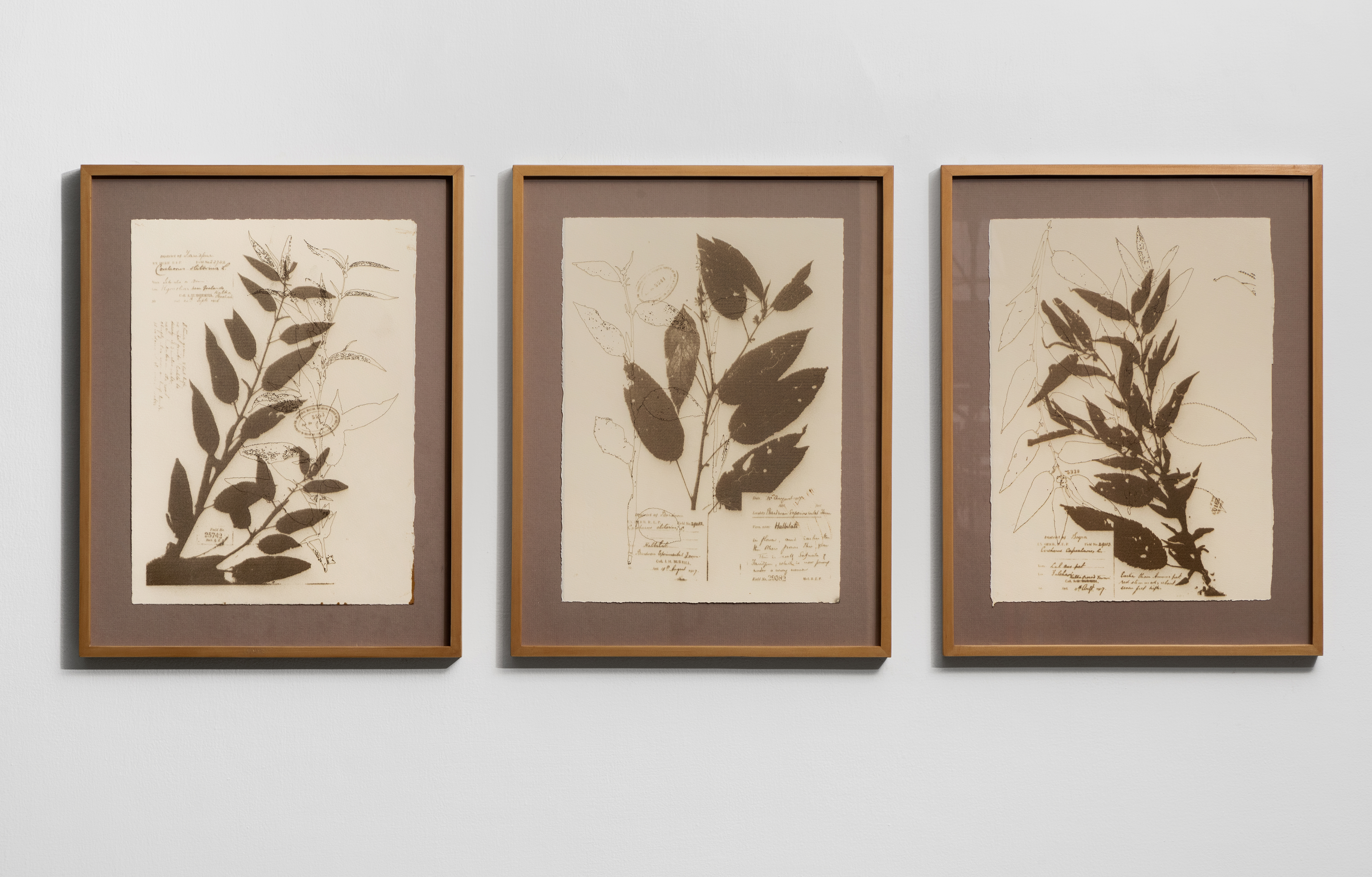 1. পাট, Paat (Jute): Corchorus studies (3 works from this series) Etched, engraved and burnt drawings inspired by the colonial and post-colonial archives of the Royal Botanic Gardens, Edinburgh and the archives and research collections of the Botanical Survey of India (BSI) Size: 28/38 CMS each Somerset archival paper, 250 GSM 2024 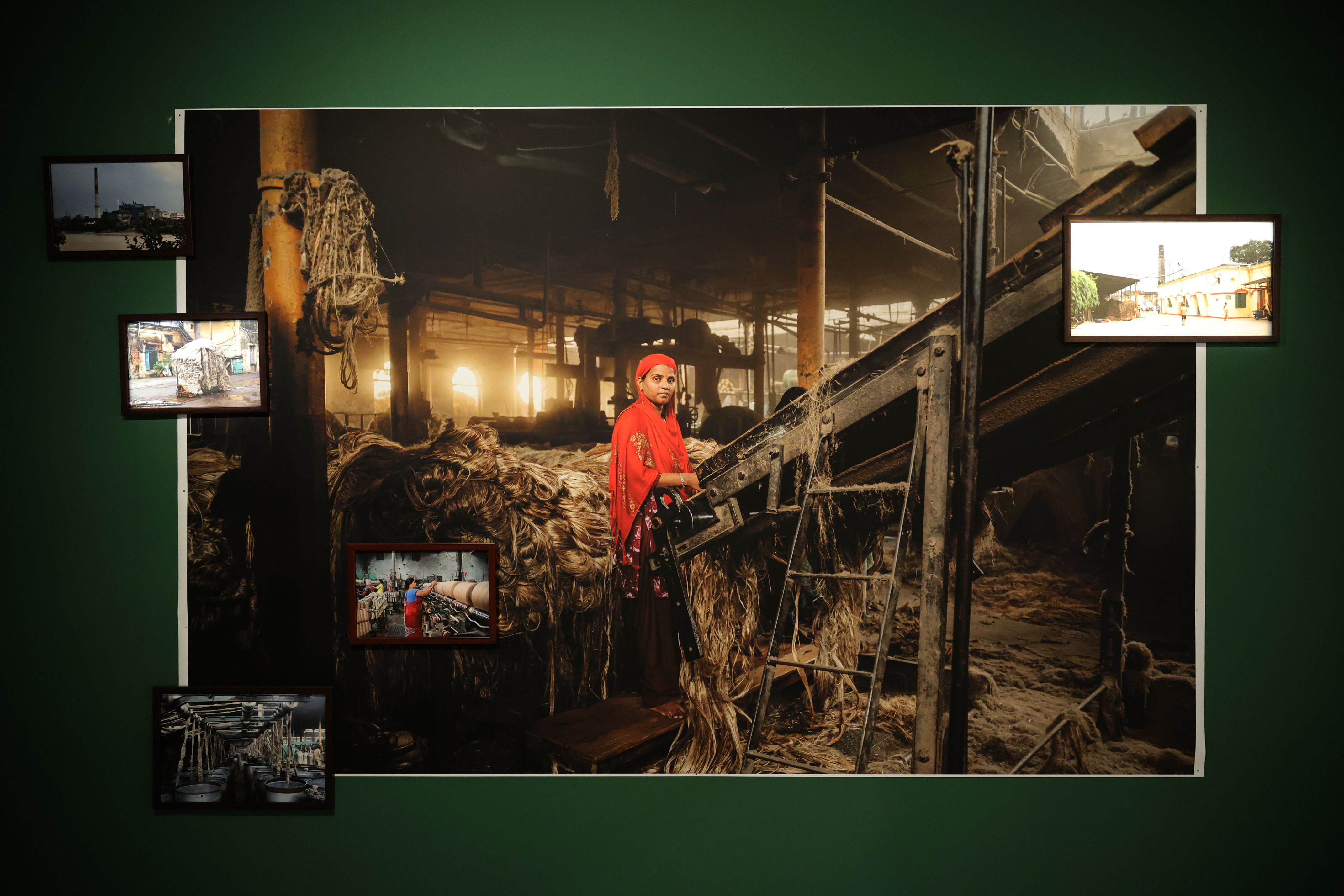 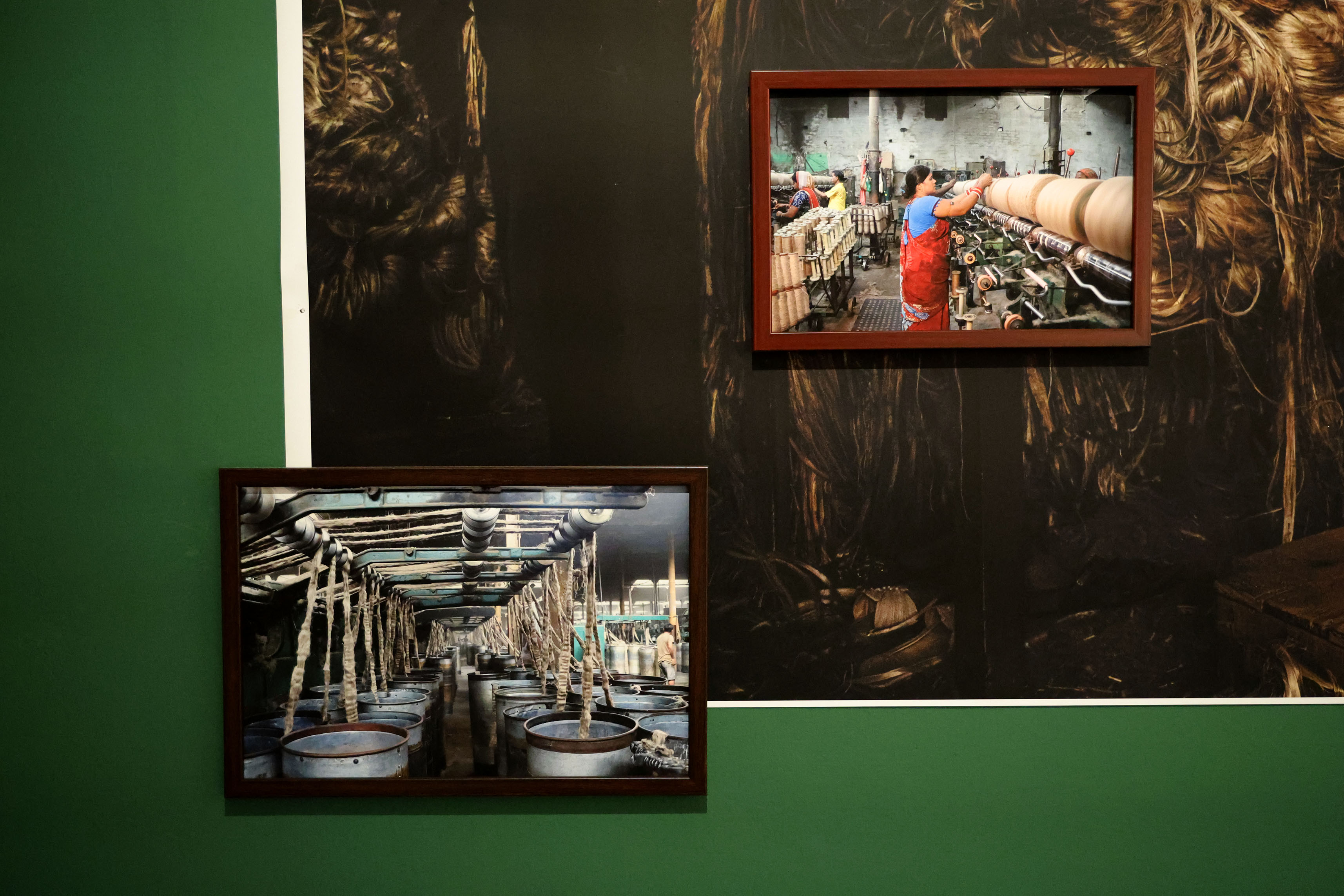 2. স্থির দৃষ্টি: The Gaze photography installation: photographic wall print, archival prints on Hahnemühle Fine Art Paper (Museum Etching), wooden frames, wooden shelf with assorted jute twine rolls, locally sourced from Bengal. wall print size: 90x60 inches 2024 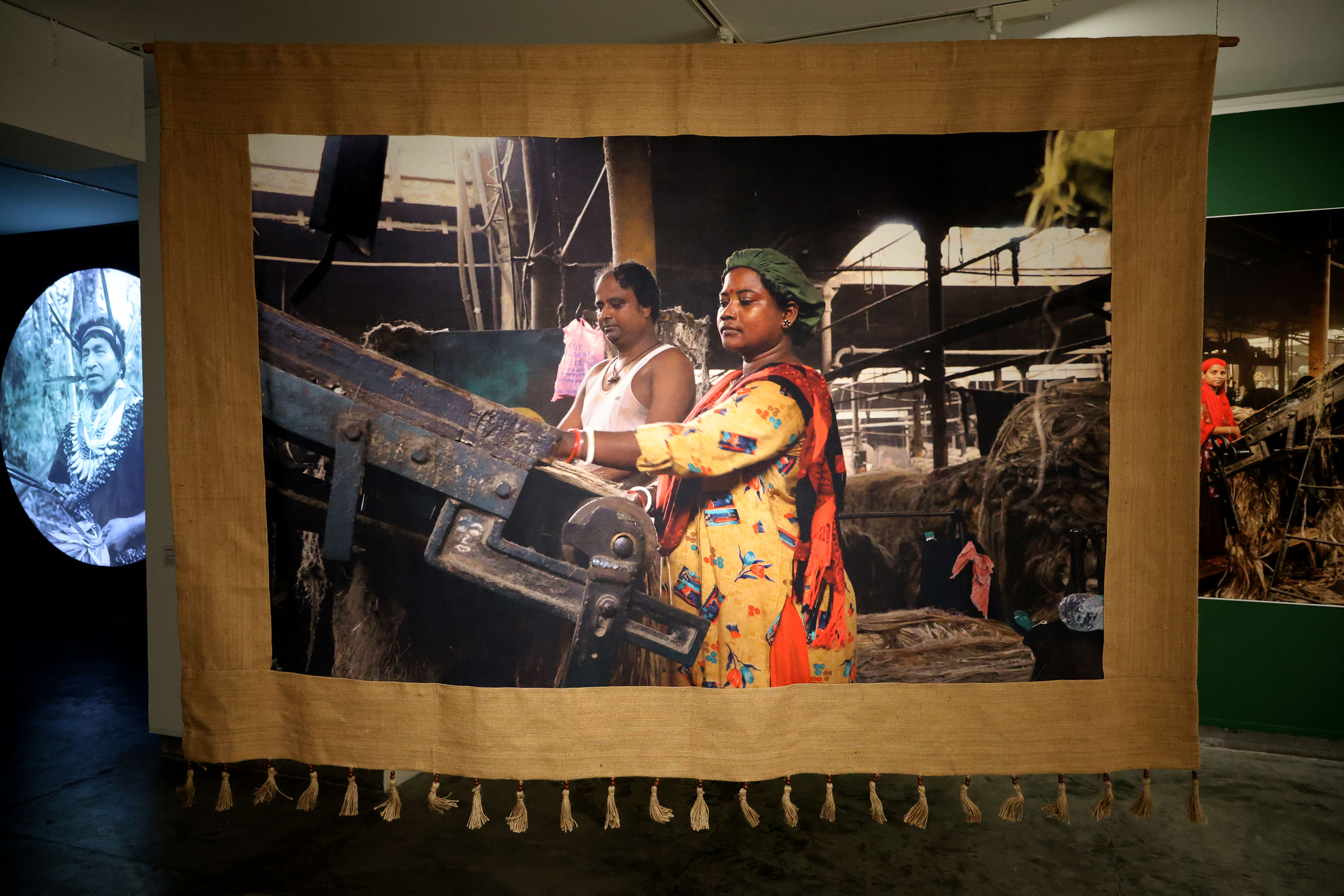 3. শ্রমজীবী শরীর Labouring Bodies Jute cotton textile, print, natural jute stitched border, hand-crafted natural jute tassels and handmade wooden beads complete size with border: 2024 Size: approx 90/66 inches 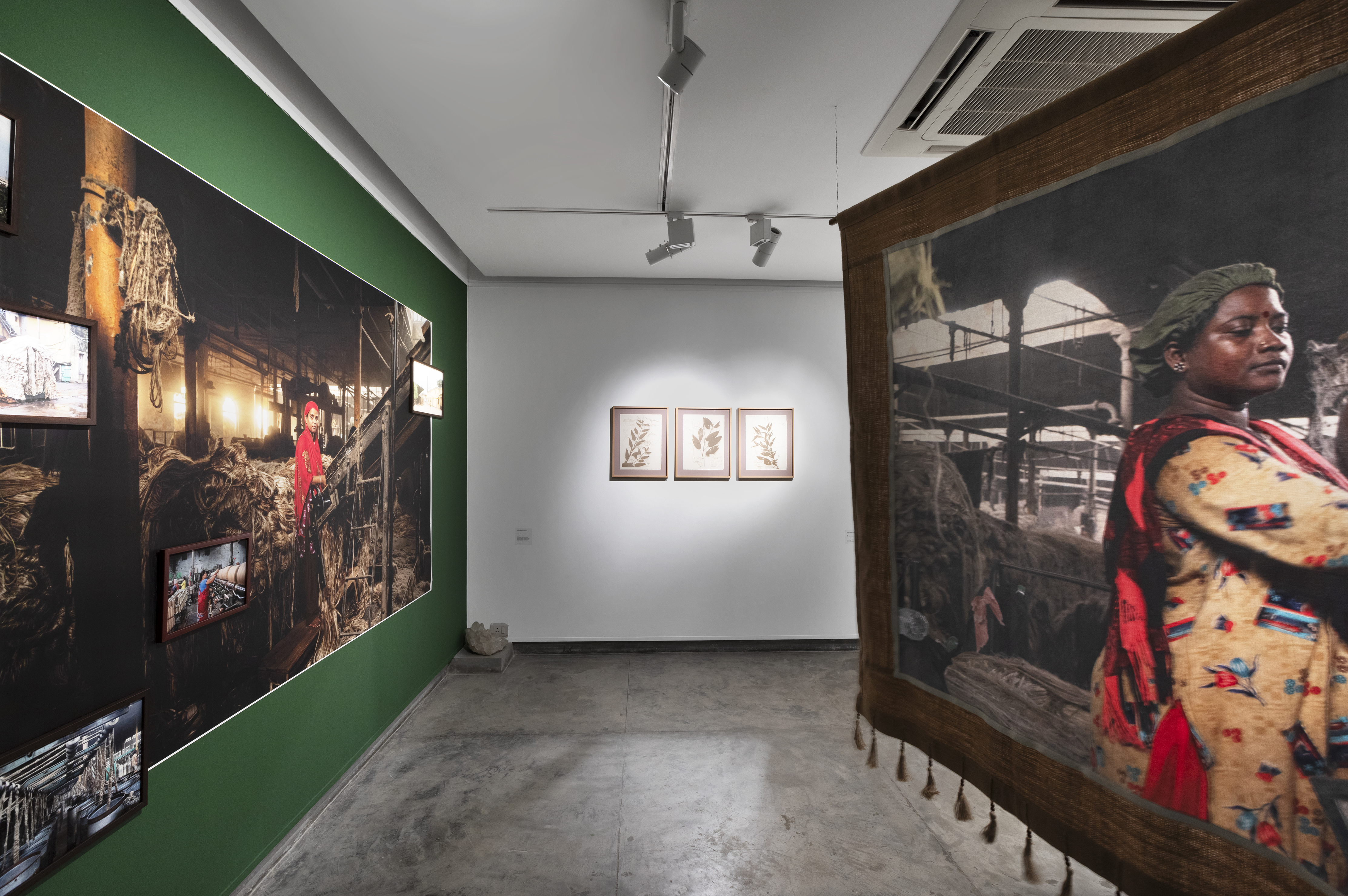 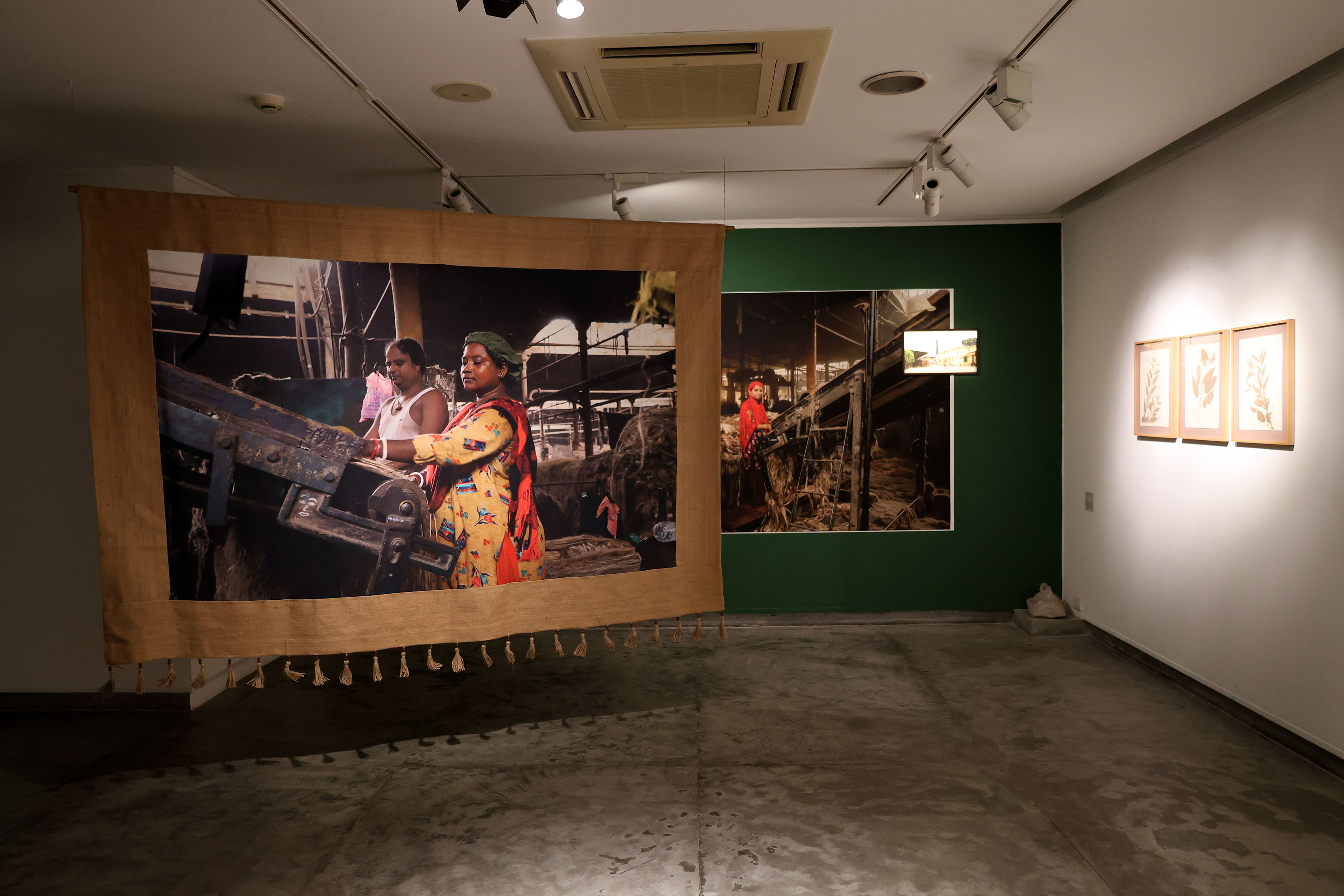 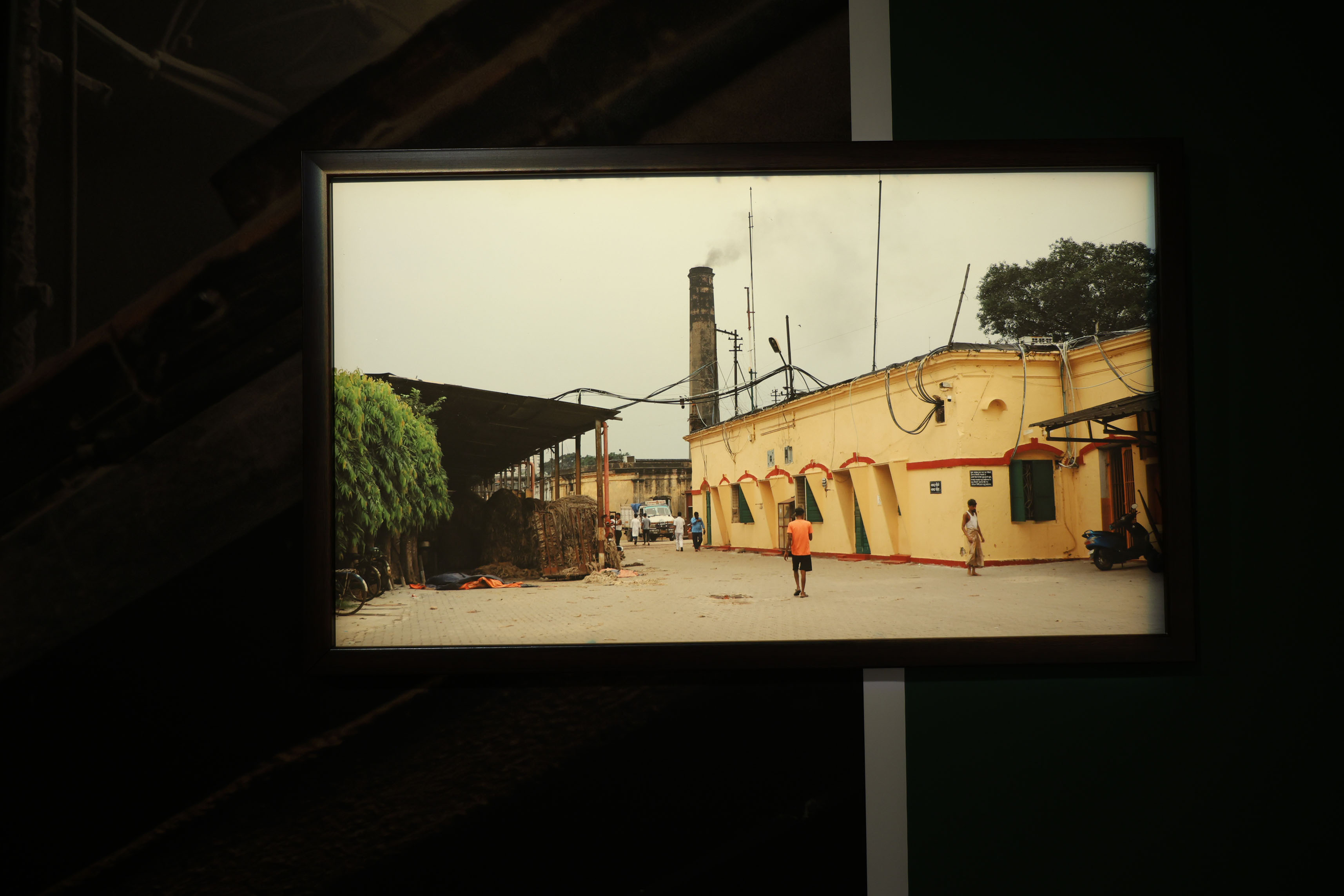 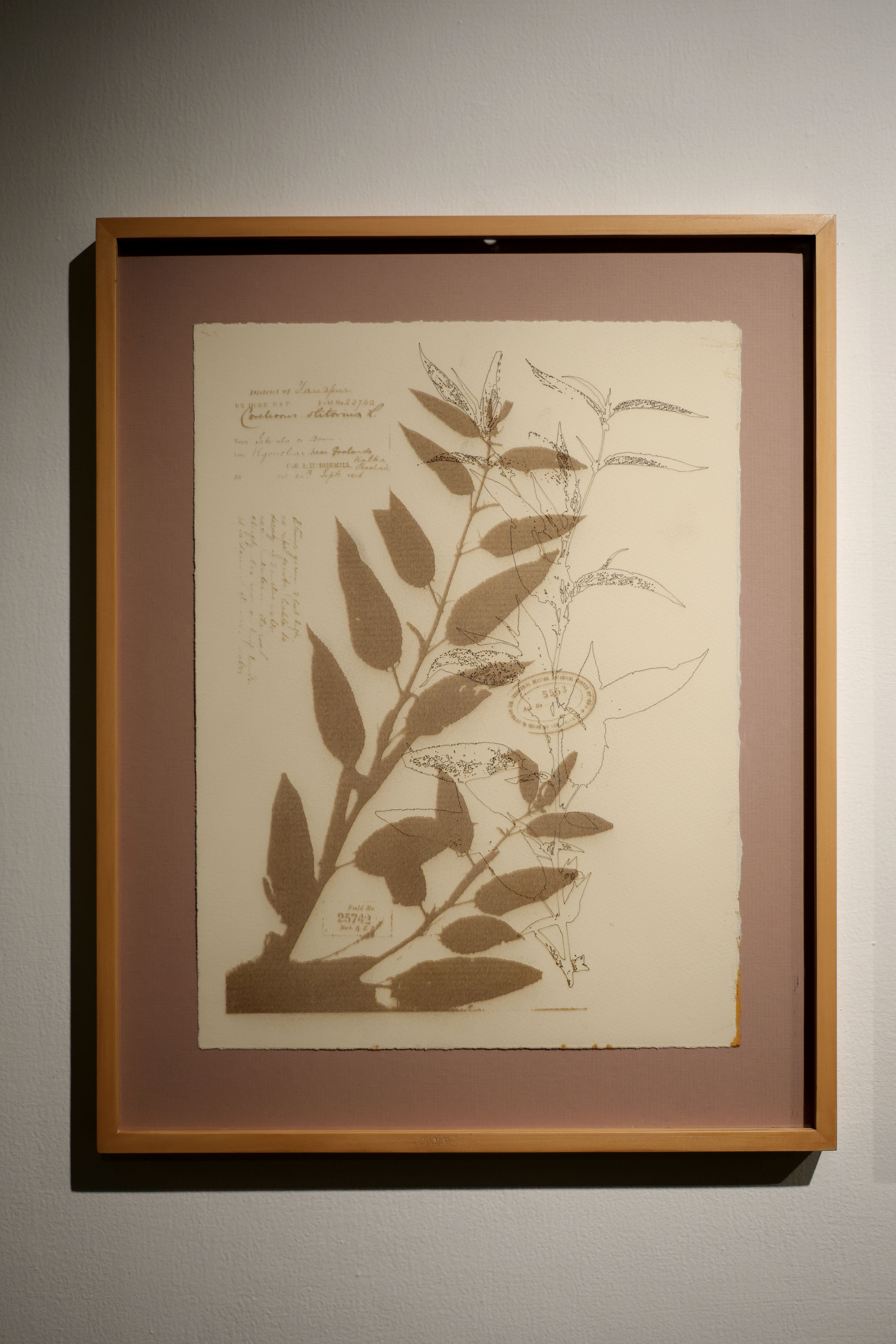 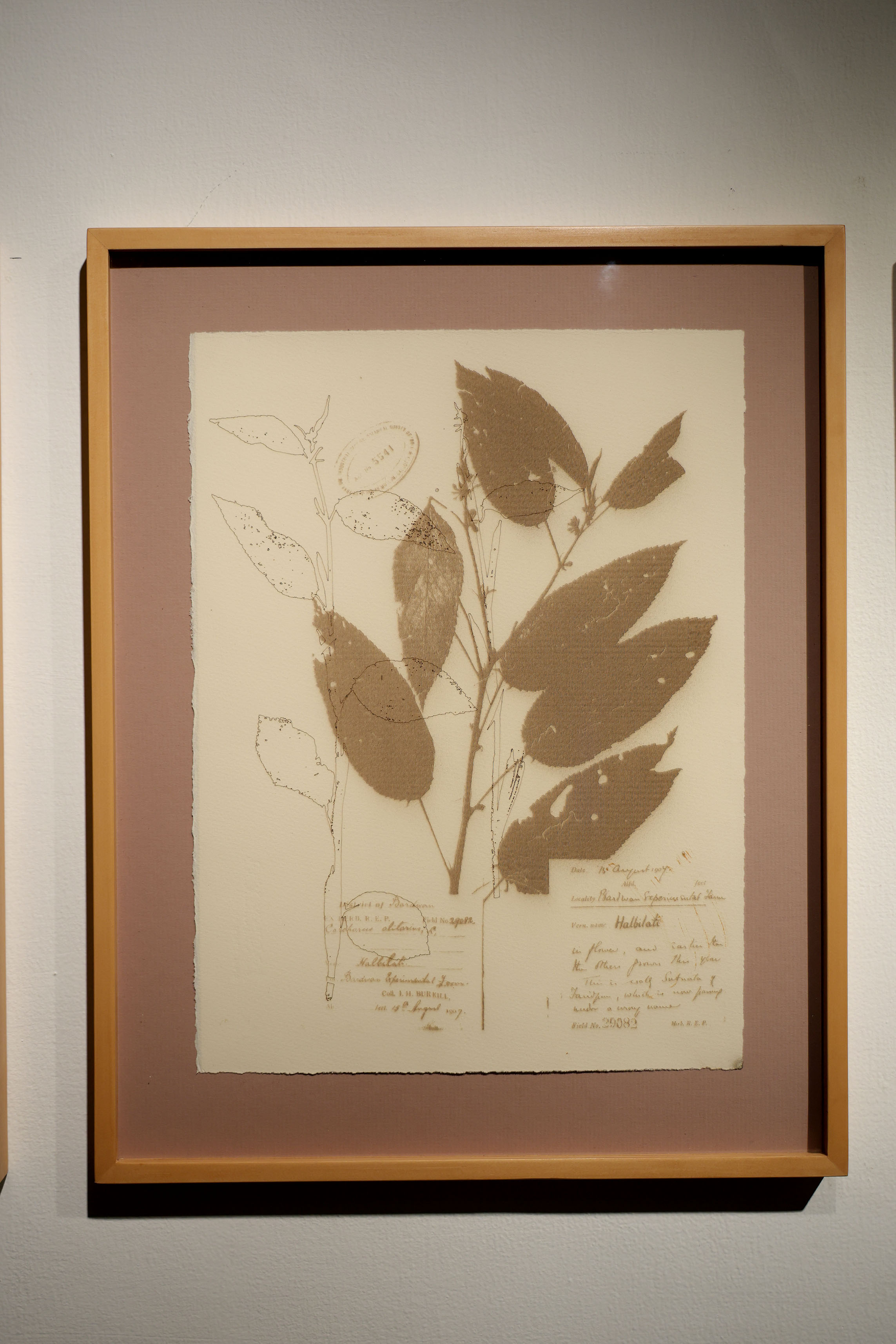 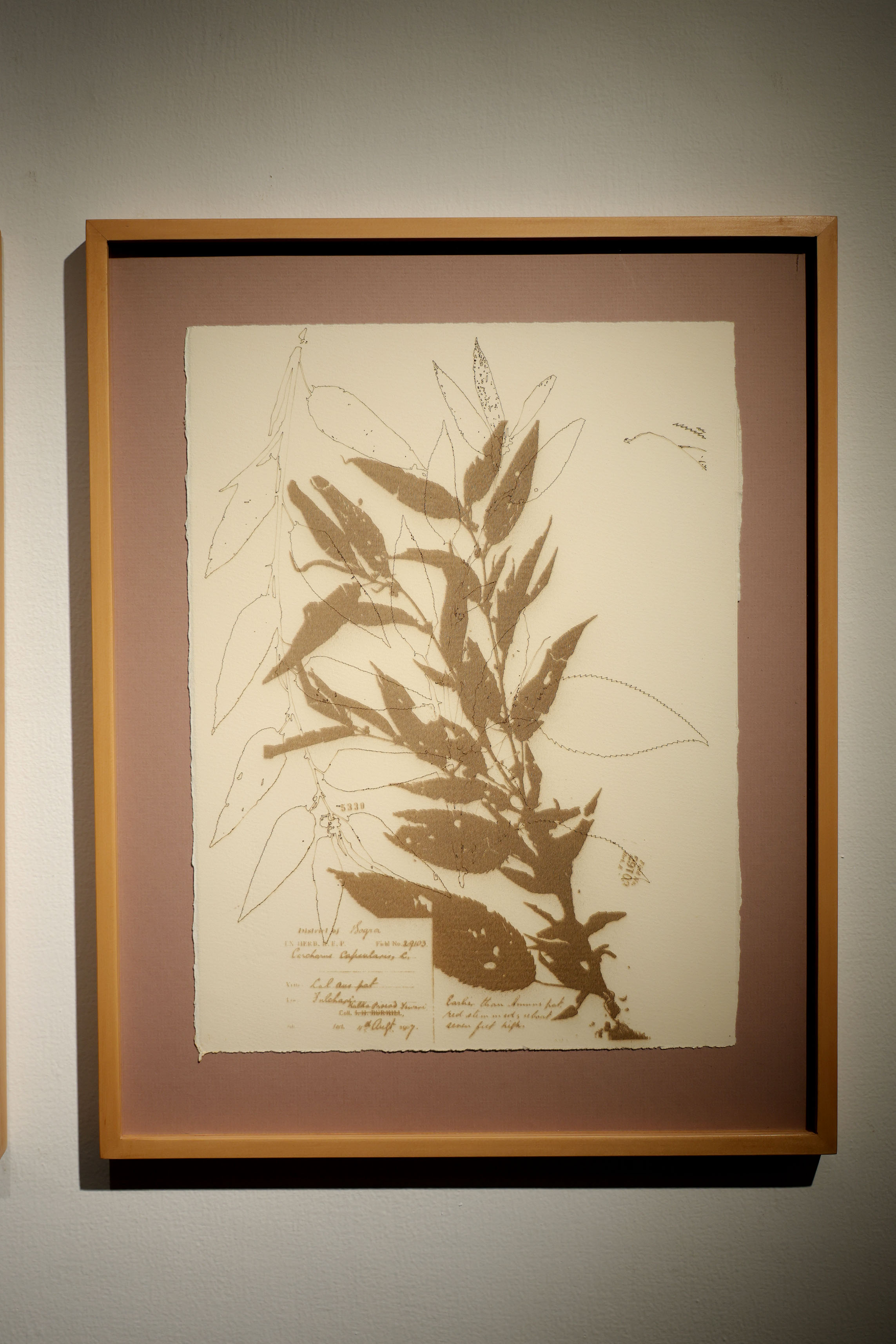 http://www.aestheticamagazine.com/yinchuan-biennale-2016/ | |